
Maison > Nouvelles > Ancien responsable de BioWare critique sévèrement EA sur la gestion de Dragon Age
Ancien responsable de BioWare critique sévèrement EA sur la gestion de Dragon Age
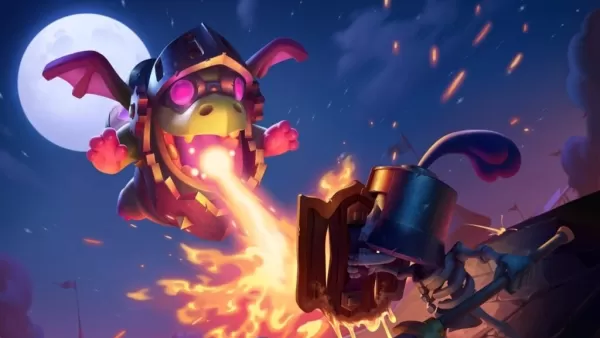
L'ancien producteur exécutif de Dragon Age, Mark Darrah, révèle qu'EA et BioWare ont fourni un soutien insuffisant à son équipe lors des premières phases de développement de Dragon Age : The Veilguard.
Une chronologie de développement mouvementée
Le développeur chevronné a partagé des observations franches sur les défis internes de BioWare dans une récente vidéo YouTube, en se concentrant particulièrement sur 2017 - qu'il décrit comme « l'année la plus cruciale de l'histoire de BioWare ». Son récit relie les difficultés de développement du dernier opus de Dragon Age aux retombées du lancement chaotique de Mass Effect: Andromeda.
L'histoire commence fin 2016 lorsque Darrah a été réaffecté pour aider à la phase finale de développement d'Andromeda. Il se souvient que l'équipe de Dragon Age s'est sentie « abandonnée » avec « pratiquement aucun soutien institutionnel » durant cette période. Bien que l'intention était de libérer des ressources après l'achèvement d'Andromeda, cette stratégie s'est finalement avérée infructueuse.
« Cela a créé le premier cas de discontinuité du leadership chez BioWare », a expliqué Darrah. « Faire passer les chefs de projet d'un titre à l'autre pendant que le développement se poursuit crée un risque énorme. Bien que l'impact d'Andromeda sur Dragon Age ait été limité, cela a établi un précédent dangereux. »
Suite au lancement décevant d'Andromeda en mars 2017, BioWare a fait face à des défis supplémentaires pour s'adapter à la nouvelle structure de supervision d'EA - un leadership que Darrah décrit comme « intensément impliqué » dans les processus de développement. Les nouveaux responsables EA du studio ont montré peu d'intérêt à poursuivre la franchise Mass Effect, et pourtant Dragon Age peinait toujours à obtenir les ressources nécessaires.
Promesses non tenues et priorités changeantes
Lorsque Darrah a exprimé ses inquiétudes directement aux dirigeants d'EA Andrew Wilson et Patrick Söderlund, il a reçu des assurances verbales sur l'importance de Dragon Age. L'été 2017 a apporté deux développements significatifs : une allocation minimale de ressources pour maintenir les opérations du studio, et l'annonce surprise du retour de Casey Hudson - une prise de décision faite sans consulter le numéro deux de BioWare.
« En tant que deuxième leader le plus senior du studio, avoir été totalement exclu de ce processus décisionnel démontrait un profond manque de respect », a déclaré Darrah. « Bien que ma contribution n'aurait probablement pas changé le résultat, l'exclusion elle-même en disait long. »
La suspicion grandissante de Darrah que BioWare allait se tourner vers le développement d'Anthem a initialement été rejetée par la direction d'EA, qui promettait un soutien continu à Dragon Age. « L'histoire montre que ces assurances ne valaient rien », a-t-il noté avec amertume.
L'effet Anthem
L'attention croissante d'EA sur Anthem tout au long de 2019 a progressivement drainé les ressources de ce qui allait devenir The Veilguard, forçant des changements fondamentaux de conception. Darrah décrit avoir vu sa confiance « systématiquement érodée » durant cette période alors que les engagements n'étaient pas tenus.
Bien que lancé avec un accueil critique élogieux fin 2024 (y compris notre critique de 9/10), EA a ensuite qualifié The Veilguard de déception commerciale - une affirmation que d'anciens développeurs ont contestée tout en défendant la philosophie de développement de Larian Studios.
Le récent virage vers le développement de Mass Effect 5 a culminé avec des licenciements significatifs au sein de l'équipe Dragon Age en janvier dernier, marquant un nouveau chapitre turbulent pour la franchise fantastique de BioWare.


-

TV Sat Info Pakistan
-

MyFlixer - Movies & TV Shows
-

FanPelis: peliculas & series.
-

Double Integral Calculator
-

ChatSansar
-

UK Chat - Group Chat Rooms
-

Tablo - social eating
-
Chat with virtual girl sexy prank
-

Lovely Video Chat - live video chat for dating
-

Unicode ⇄ Zawgyi
-

Pink Roses Theme C Launcher
-

Flixtor Movies and Series
-
1
![Liste de niveau des caractères Roblox Forrsaken [Mis à jour] (2025)](https://imgs.ksjha.com/uploads/18/17380116246797f3e8a8a39.jpg)
Liste de niveau des caractères Roblox Forrsaken [Mis à jour] (2025)
Mar 17,2025
-
2
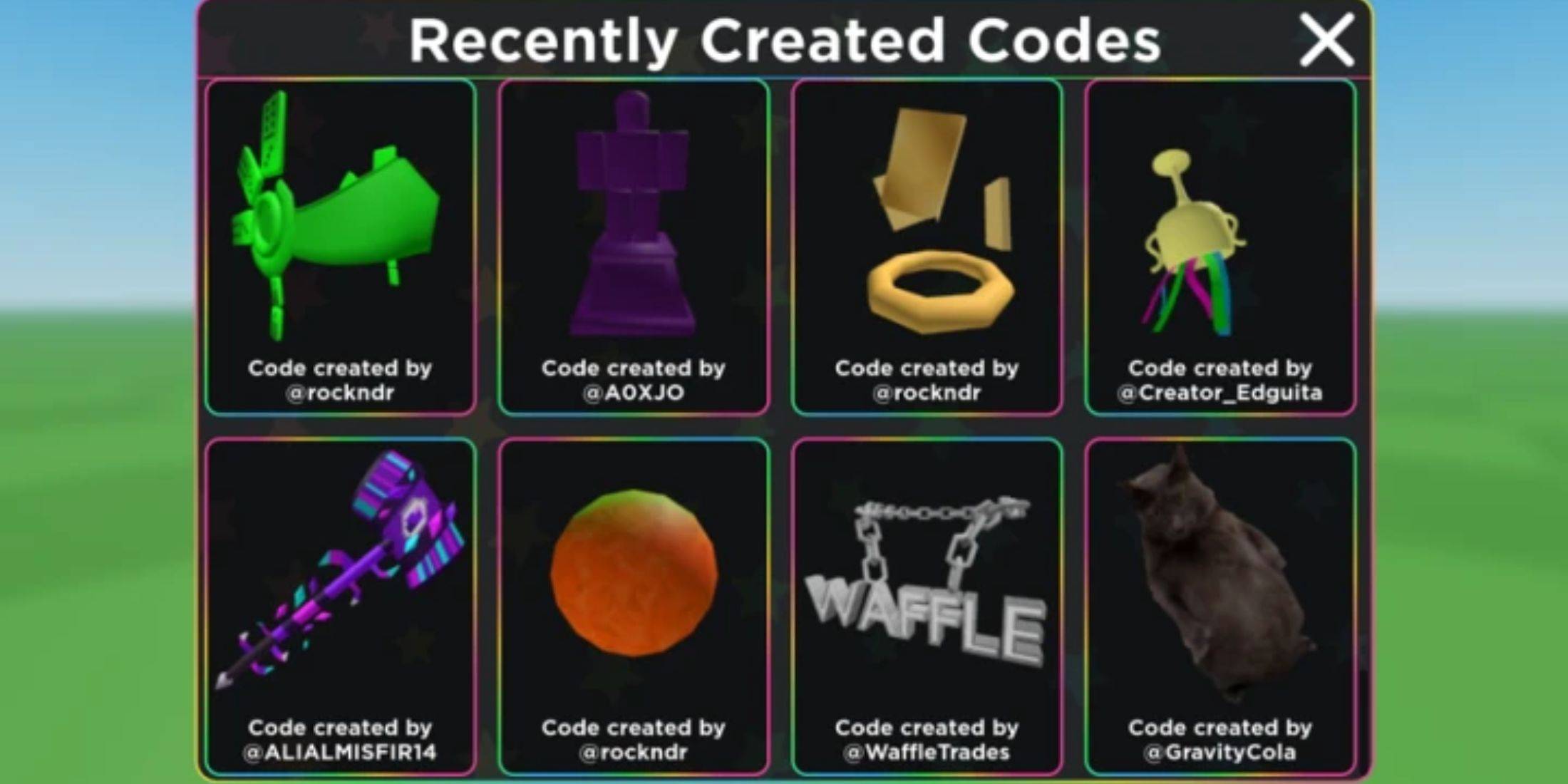
Roblox Les codes UGC Limited dévoilés pour janvier 2025
Jan 06,2025
-
3
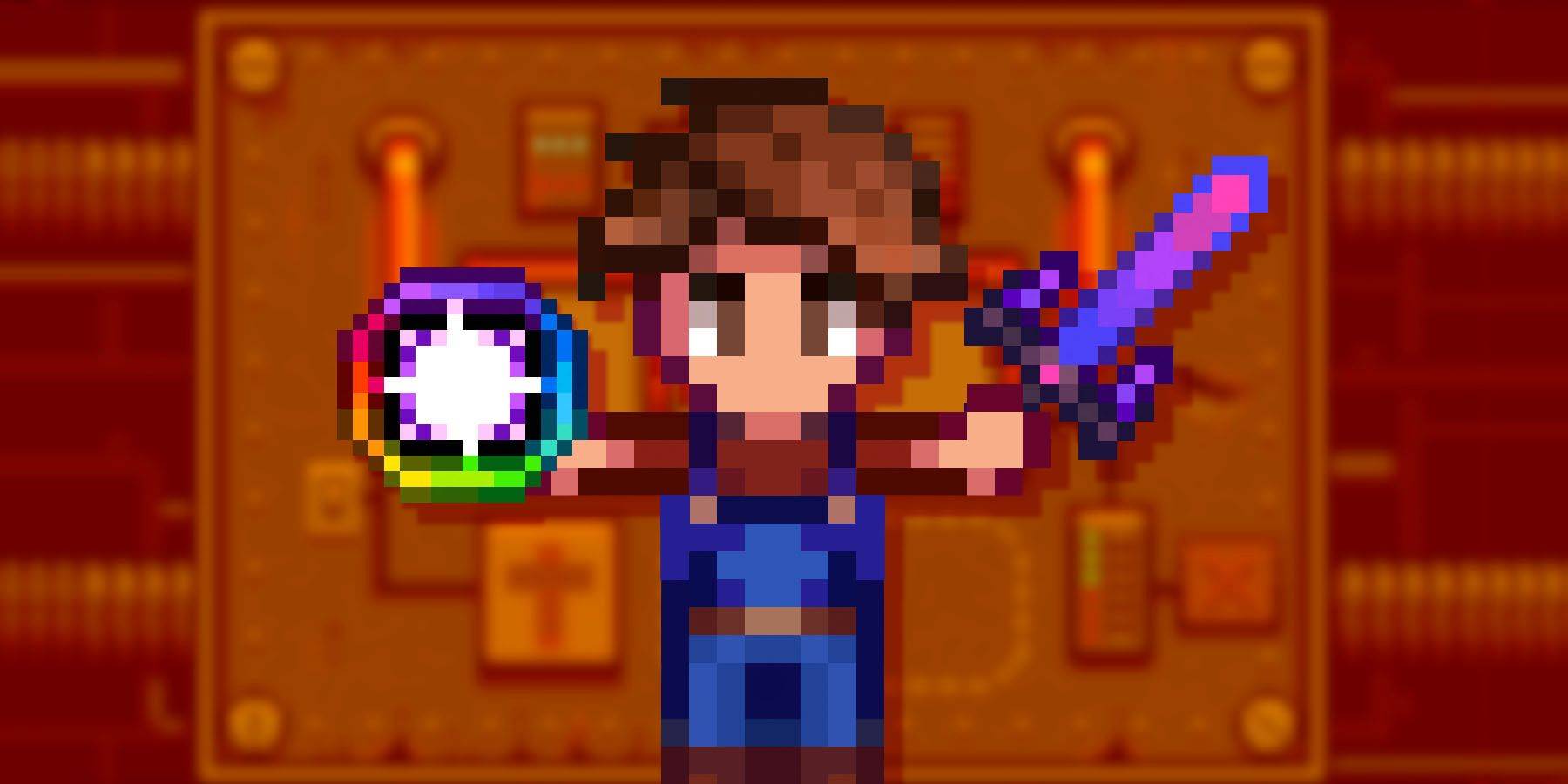
Stardew Valley : Un guide complet sur les enchantements et la forge d'armes
Jan 07,2025
-
4
Pokémon TCG Pocket : Erreur de dépannage 102 résolue
Jan 08,2025
-
5
Free Fire Characters 2025: Ultimate Guide
Feb 20,2025
-
6
Roblox : Codes RIVAUX (janvier 2025)
Jan 07,2025
-
7
Blood Strike – Tous les codes d’échange fonctionnels janvier 2025
Jan 08,2025
-
8
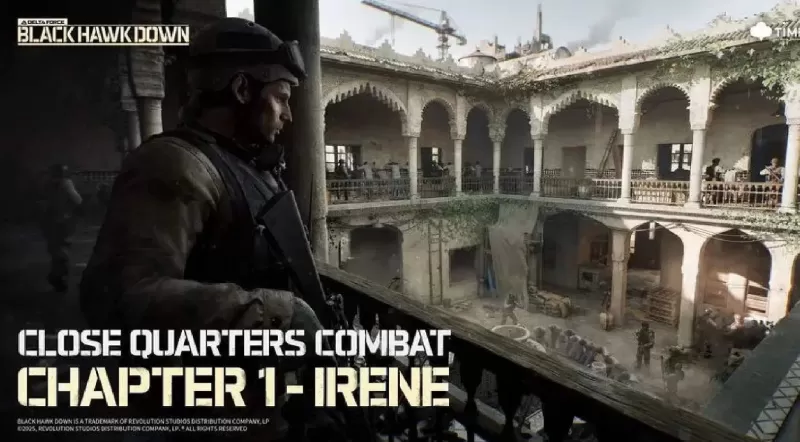
Delta Force: un guide complet de toutes les missions de campagne
Apr 09,2025
-
9

Blue Archive dévoile l'événement de mars du Cyber Nouvel An
Dec 19,2024
-
10

Cyber Quest : participez à des batailles de cartes captivantes sur Android
Dec 19,2024
-
Télécharger

A Simple Life with My Unobtrusive Sister
Occasionnel / 392.30M
Mise à jour: Mar 27,2025
-
Télécharger
![Corrupting the Universe [v3.0]](https://imgs.ksjha.com/uploads/66/1719514653667db61d741e9.jpg)
Corrupting the Universe [v3.0]
Occasionnel / 486.00M
Mise à jour: Dec 17,2024
-
Télécharger
Ben 10 A day with Gwen
Occasionnel / 47.41M
Mise à jour: Feb 24,2025
-
4
Random fap scene
-
5
Oniga Town of the Dead
-
6
Cute Reapers in my Room Android
-
7
A Wife And Mother
-
8
Permit Deny
-
9
My School Is A Harem
-
10
Utouto Suyasuya