
Oblivion Remake Revamps Gameplay, Keeps Classic Feel
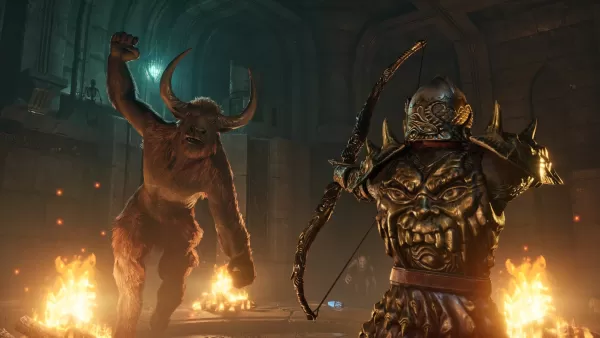

When Bethesda unveiled Oblivion Remastered this week, the announcement nearly took my breath away. The 2006 fantasy epic, once notorious for its awkward character models and blurry landscapes, now stands as the most visually impressive Elder Scrolls title to date. Years of underwhelming HD remasters - from Mass Effect Legendary Edition to Dark Souls Remastered - taught me to temper expectations. Yet seeing the Imperial City I explored two decades ago recreated with Unreal Engine 5's ray tracing left me momentarily stunned. With enhanced combat, revamped RPG systems, and countless quality-of-life improvements, I initially questioned whether "Remastered" was the right label. This felt more like a full remake.
Remake or Remaster? The Ongoing Debate
I wasn't alone in my skepticism. Many fans have argued this qualifies as a remake, a sentiment echoed by Bruce Nesmith, senior designer on the original Oblivion, who remarked: "I'm not sure 'remaster' does it justice." However, after several hours of gameplay, the distinction becomes clear - while Oblivion Remastered looks like a remake, it fundamentally plays like a remaster.
The visual overhaul is staggering. Developer Virtuos rebuilt "every single asset from scratch," delivering modern-quality textures, lighting, and physics. NPCs retain their 2006 personalities but sport completely new models. This isn't some nostalgic upscaling - it's a complete graphical rebirth aiming for 2025 standards. The result? Possibly the best-looking Bethesda RPG ever.
More Than Just a Facelift
The upgrades extend beyond visuals. Combat now features weightier swordplay, the third-person camera works properly, and all menus have been modernized. The infamous leveling system gets a sensible hybrid approach blending Oblivion and Skyrim mechanics. Most importantly: sprinting is finally included. With so many improvements, why isn't this considered a remake?
The answer lies in semantics. The gaming industry lacks clear definitions for "remake" vs "remaster." We've seen everything from barebones texture packs (Grand Theft Auto: The Trilogy) to complete ground-up rebuilds (Shadow of the Colossus) labeled as remasters or remakes. A reasonable modern distinction would classify remasters as visual overhauls preserving original design, while remakes entail fundamental redesigns.
By this definition, Oblivion Remastered earns its title. While Unreal Engine 5 delivers stunning new visuals, beneath the surface lies the unmistakable skeleton of a 20-year-old Bethesda game. As the developers explained: "We carefully upgraded every part without changing the core. It should still feel like a game from its era."
Preserved Quirks and All
The hallmarks of 2006 game design remain intact. Loading screens still interrupt exploration, the perplexing persuasion minigame persists (though redesigned), and cities maintain their theatrical artificiality. NPCs move with that classic robotic gait, and combat - despite improvements - still feels dated. Even beloved bugs have been faithfully preserved.
When compared to modern RPGs like Obsidian's Avowed, Oblivion shows its age in systems design. Yet this classic still shines in ways modern games often miss. Its open world teems with genuine discovery, dynamic faction wars create emergent stories, and quests boast narrative depth surpassing Skyrim's dungeon crawls. There's raw magic in its unguided player freedom that many contemporary RPGs lack.
Setting a New Standard
Oblivion Remastered represents a golden standard for what ambitious remasters can achieve. Unlike Mass Effect Legendary Edition's modest polish or Grand Theft Auto: The Trilogy's cynical cash grab, this project demonstrates genuine passion. It maintains the soul of the original while delivering modern presentation - much like how 4K restorations breathe new life into classic films without altering their essence.
As Virtuos' Alex Murphy explained: "We think of the Oblivion engine as the brain and Unreal 5 as the body." That perfect analogy encapsulates this remarkable achievement - a lovingly preserved classic wearing spectacular new clothes.
-

FanPelis: peliculas & series.
-

Double Integral Calculator
-

ChatSansar
-

UK Chat - Group Chat Rooms
-

Tablo - Social eating
-

Chat with virtual girl sexy prank
-

Lovely Video Chat - live video chat for dating
-

Unicode ⇄ Zawgyi
-

Pink Roses Theme C Launcher
-

Flixtor Movies and Series
-

Dramacool9 - Watch Asian Drama
-

GogoAnime - Watch Anime Online
-
1
![Roblox Forsaken Characters Tier List [UPDATED] (2025)](https://imgs.ksjha.com/uploads/18/17380116246797f3e8a8a39.jpg)
Roblox Forsaken Characters Tier List [UPDATED] (2025)
Mar 17,2025
-
2
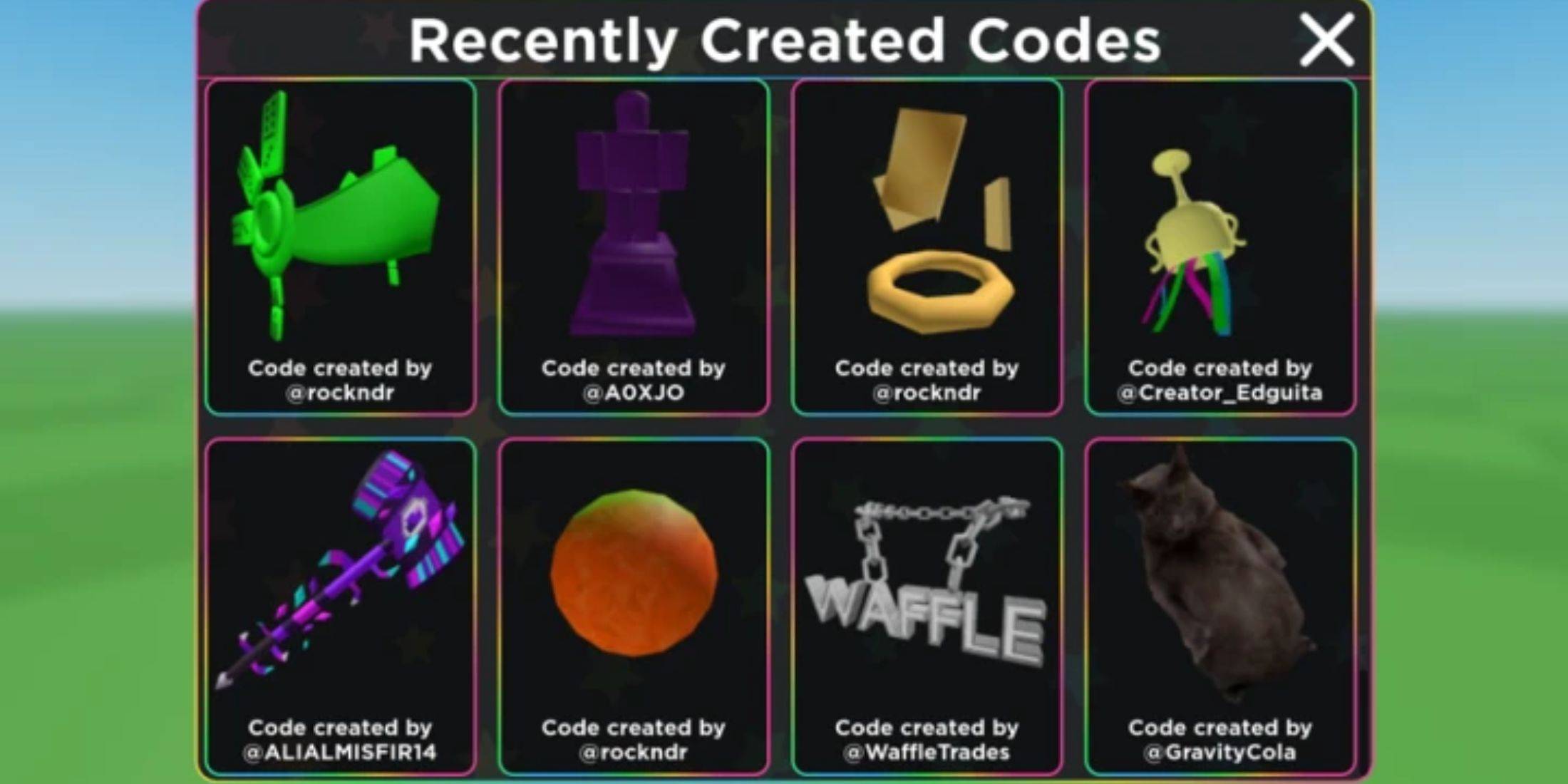
Roblox UGC Limited Codes Unveiled for January 2025
Jan 06,2025
-
3
Stardew Valley: A Complete Guide To Enchantments & Weapon Forging
Jan 07,2025
-
4
Pokémon TCG Pocket: Troubleshooting Error 102 Resolved
Jan 08,2025
-
5
Free Fire Characters 2025: Ultimate Guide
Feb 20,2025
-
6
Roblox: RIVALS Codes (January 2025)
Jan 07,2025
-
7
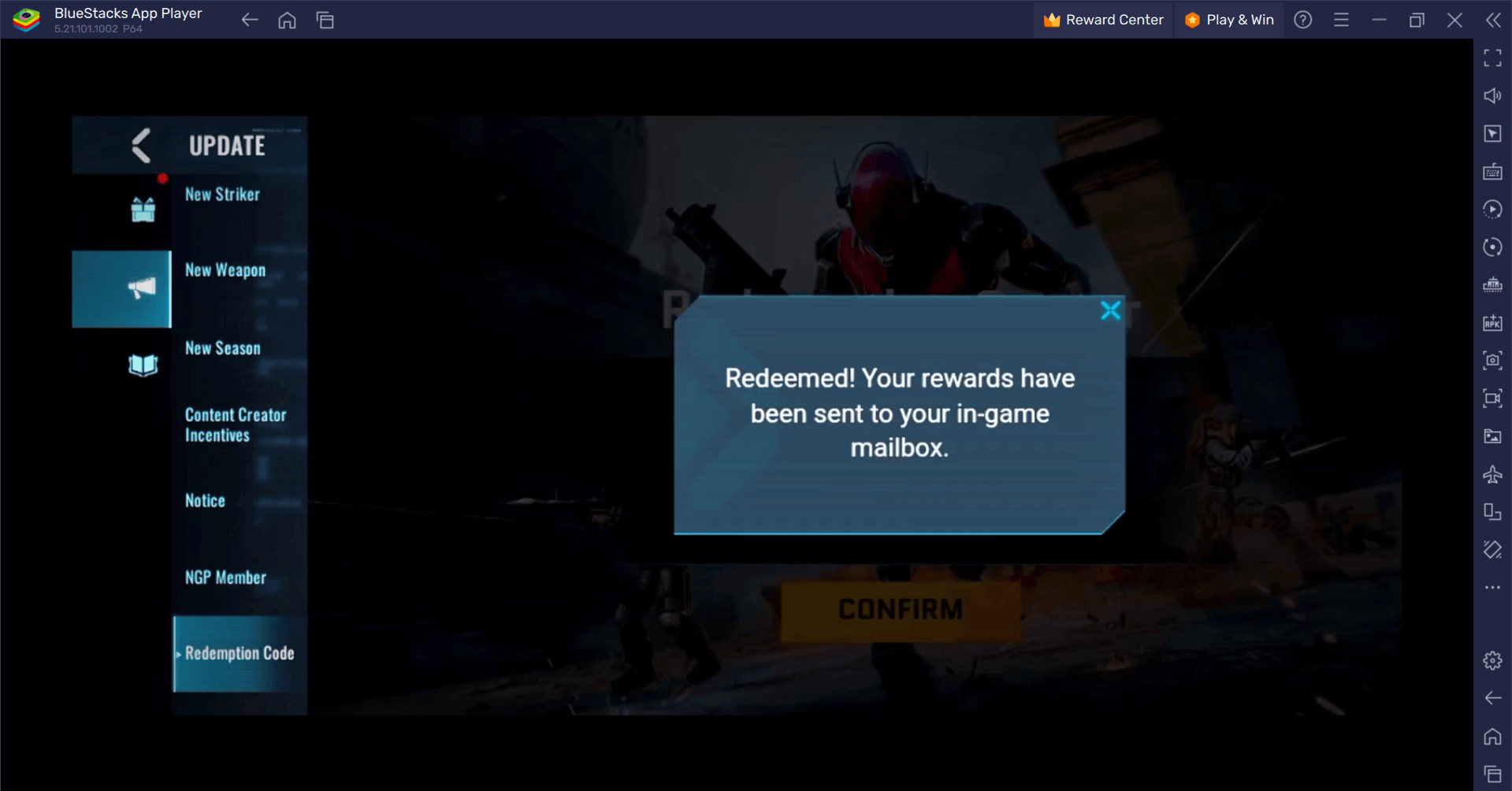
Blood Strike - All Working Redeem Codes January 2025
Jan 08,2025
-
8
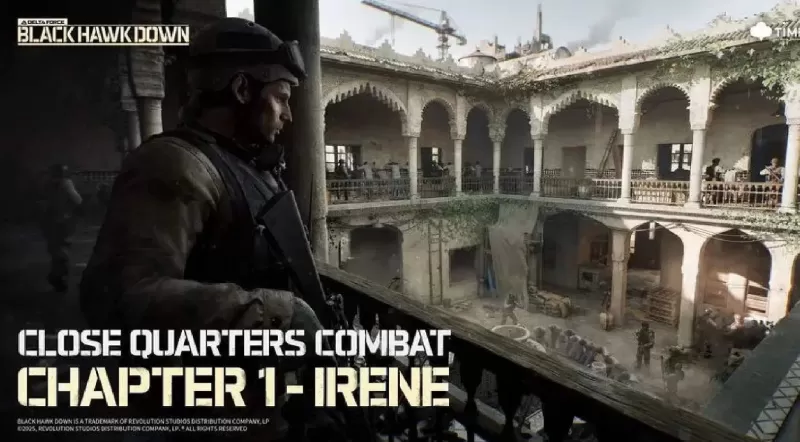
Delta Force: A Complete Guide to All Campaign Missions
Apr 09,2025
-
9

Blue Archive Unveils Cyber New Year March Event
Dec 19,2024
-
10
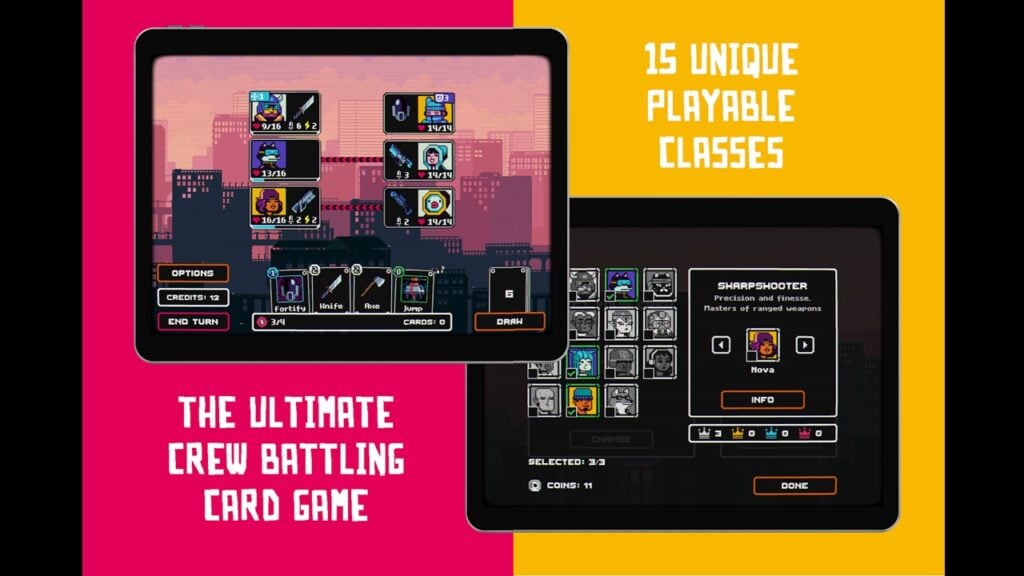
Cyber Quest: Engage in Captivating Card Battles on Android
Dec 19,2024
-
Download

A Simple Life with My Unobtrusive Sister
Casual / 392.30M
Update: Mar 27,2025
-
Download
![Corrupting the Universe [v3.0]](https://imgs.ksjha.com/uploads/66/1719514653667db61d741e9.jpg)
Corrupting the Universe [v3.0]
Casual / 486.00M
Update: Dec 17,2024
-
Download

Ben 10 A day with Gwen
Casual / 47.41M
Update: Feb 24,2025
-
4
Random fap scene
-
5
Oniga Town of the Dead
-
6
Cute Reapers in my Room Android
-
7
A Wife And Mother
-
8
Permit Deny
-
9
My School Is A Harem
-
10
Utouto Suyasuya