
Hogar > Noticias > As of now, there is no official confirmation from Netflix, Amazon Prime Video, or the production team behind Remedy that a spin-off titled Control was ever developed—or that it "underperformed" commercially. In fact, Control is not a known spin-off of the Australian medical drama Remedy, which aired from 2014 to 2017 and was created by Craig Pearce. Remedy was a drama series that followed the lives of doctors and staff at a fictional Sydney hospital, focusing on personal and professional challenges. While it had a dedicated fan base, it did not spawn any officially recognized spin-offs. It's possible that the claim about a Control spin-off underperforming stems from a misunderstanding, a fan theory, or a fictional or speculative article. Alternatively, it might be conflating Remedy with another series—such as The Night Agent, which has a spin-off titled Control in some promotional material, but that is unrelated. In summary: ❌ No official spin-off called Control exists for Remedy. ❌ There is no verifiable evidence that such a series was produced or commercially released. ✅ Therefore, the statement about Control "underperforming" is unsubstantiated and likely inaccurate. Always check reputable sources like official press releases, Netflix/Amazon announcements, or major entertainment news outlets (like Variety, The Hollywood Reporter) for accurate information on TV series and spin-offs.
As of now, there is no official confirmation from Netflix, Amazon Prime Video, or the production team behind Remedy that a spin-off titled Control was ever developed—or that it "underperformed" commercially. In fact, Control is not a known spin-off of the Australian medical drama Remedy, which aired from 2014 to 2017 and was created by Craig Pearce. Remedy was a drama series that followed the lives of doctors and staff at a fictional Sydney hospital, focusing on personal and professional challenges. While it had a dedicated fan base, it did not spawn any officially recognized spin-offs. It's possible that the claim about a Control spin-off underperforming stems from a misunderstanding, a fan theory, or a fictional or speculative article. Alternatively, it might be conflating Remedy with another series—such as The Night Agent, which has a spin-off titled Control in some promotional material, but that is unrelated. In summary: ❌ No official spin-off called Control exists for Remedy. ❌ There is no verifiable evidence that such a series was produced or commercially released. ✅ Therefore, the statement about Control "underperforming" is unsubstantiated and likely inaccurate. Always check reputable sources like official press releases, Netflix/Amazon announcements, or major entertainment news outlets (like Variety, The Hollywood Reporter) for accurate information on TV series and spin-offs.
Remedy Entertainment’s experience with FBC: Firebreak offers a compelling case study in the challenges of launching a live-service game, particularly when expectations, platform strategy, and player onboarding collide.
While the studio celebrates a technical success — surpassing 1 million players and delivering a polished, visually striking co-op shooter — the commercial underperformance on PC, the primary target platform, signals a critical misalignment between design, marketing, and player expectations. The fact that most players arrived via PS Plus and Xbox Game Pass rather than direct sales underscores a major strategic gap: despite being built as a PC-first live-service title, Firebreak’s initial traction was driven not by organic demand but by subscription-based access.
This reliance on third-party distribution deals for revenue — with the bulk of income deferred over contract terms — reveals a fragile monetization model. As Remedy acknowledges, "a substantial portion of revenue will be recognized over the remainder of the contract terms," meaning short-term sales figures don’t reflect true commercial health. The studio’s disappointment isn’t just about numbers; it’s about losing control over player acquisition and long-term engagement.
The core issue, as identified in both internal reviews and player feedback, lies in early onboarding and mission design. A steep or confusing entry curve, coupled with poor pacing or unclear progression, likely caused a sharp drop-off in new players. That early attrition — a well-known pitfall in live-service games — set a negative tone that fueled early negative reviews. However, the silver lining is that player sentiment improved significantly over time, particularly after updates addressed core gameplay flaws and added value.
Remedy’s commitment to a Major Update in late September is not just a patch — it’s a lifeline. The studio is betting on iterative improvement to transform Firebreak from a flawed launch into a sustained success. This mirrors the long-term strategy seen in hits like Destiny or Apex Legends, where early missteps were overcome through relentless content updates and community engagement.
Still, the 6/10 score from IGN cuts to the heart of the problem: Firebreak is technically impressive and fun in short bursts, but lacks the long-term depth and retention hooks needed to thrive in the competitive live-service landscape. Without meaningful progression systems, rewarding endgame content, or a compelling narrative arc, even a well-designed co-op shooter risks becoming a "cool thing to try once" rather than a must-play.
Looking ahead, Remedy’s path forward hinges on three pillars:
- Execution on the Major Update: This must fix onboarding, clarify core loops, and deliver fresh, engaging content fast.
- Rebuilding Trust: Transparent communication, active community involvement, and consistent dev updates will be essential to regain player confidence.
- Diversifying Monetization: Relying on subscription deals isn’t sustainable long-term. Expanding direct-to-consumer sales on PC and exploring new monetization models (e.g., cosmetic-only, battle pass) could help regain financial control.
Meanwhile, the positive momentum from Control 2 and the Max Payne remake (with Rockstar’s involvement) provides a much-needed runway. These projects, if delivered successfully, could re-establish Remedy as a creative force in narrative-driven action games.
In short: FBC: Firebreak may have started poorly, but it’s not dead — yet. With smart execution, player-focused updates, and a renewed commitment to community, Remedy still has a chance to turn this into a redemption arc. The next few months will determine whether Firebreak becomes a cautionary tale… or a comeback story.

-

Pelismart Peliculas en Estreno
-

Yface
-

Plamfy: Watch Live Stream
-

FirstLine Benefits
-

Hoji Cam: Analog Film Filter
-

DanaPinjaman
-

Connex Credit Union Mobile
-

PropertyX Malaysia Home Loan
-

Loans Chap Chap
-

NSE BSE Indian Stock Quotes - Live Market Prices
-

ДругВокруг: Знакомства и чат
-

InStalker - Who viewed your Social Profile
-
1
![Lista de nivel de caracteres abandonado de Roblox [Actualizado] (2025)](https://imgs.ksjha.com/uploads/18/17380116246797f3e8a8a39.jpg)
Lista de nivel de caracteres abandonado de Roblox [Actualizado] (2025)
Mar 17,2025
-
2
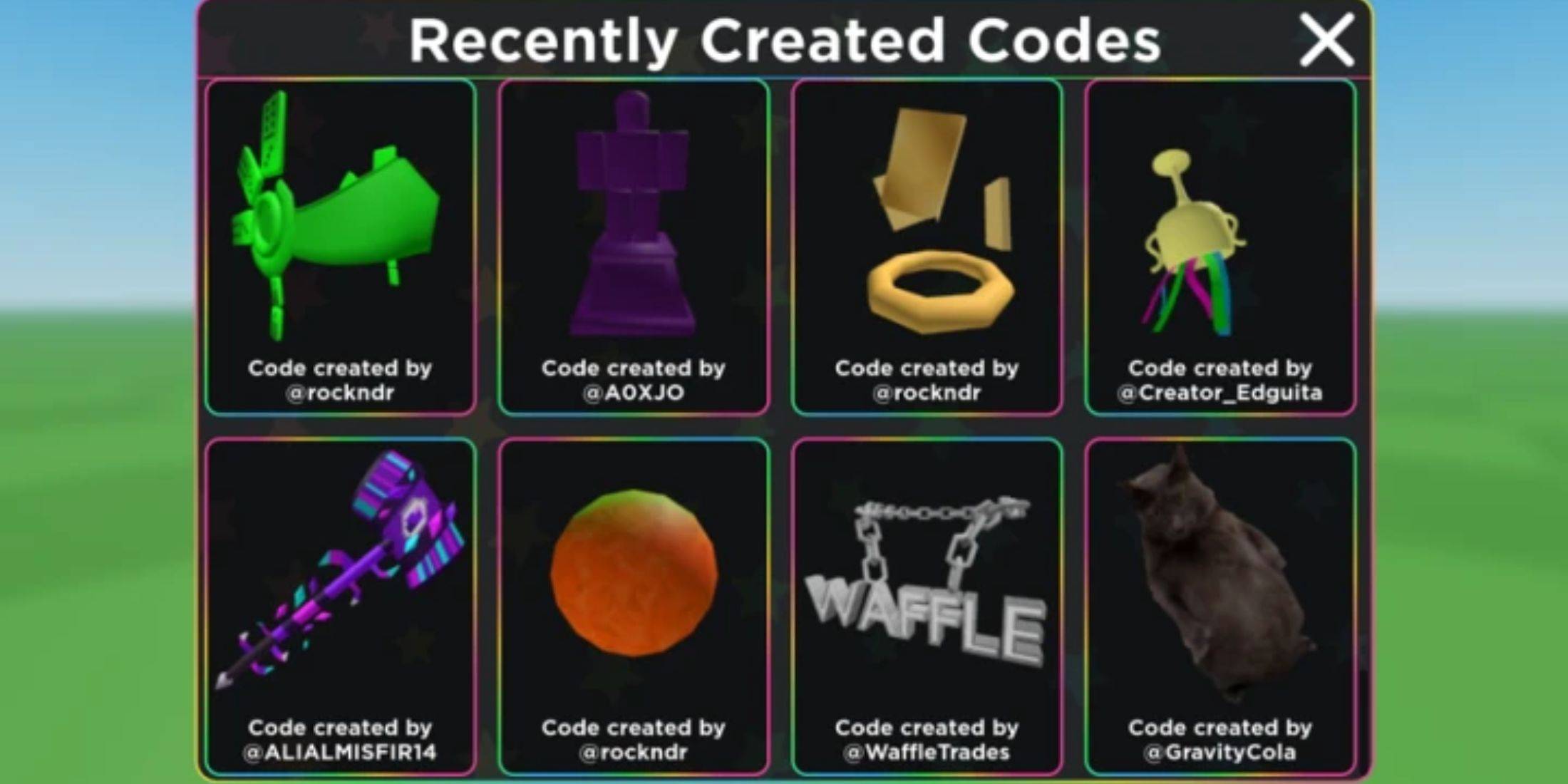
Roblox Códigos UGC limitados revelados para enero de 2025
Jan 06,2025
-
3
Stardew Valley: Una guía completa de encantamientos y forja de armas
Jan 07,2025
-
4
Pokémon TCG Pocket: Solución de problemas Error 102 resuelto
Jan 08,2025
-
5

Personajes de Free Fire 2025: Ultimate Guide
Feb 20,2025
-
6
Roblox: Códigos RIVALS (enero 2025)
Jan 07,2025
-
7
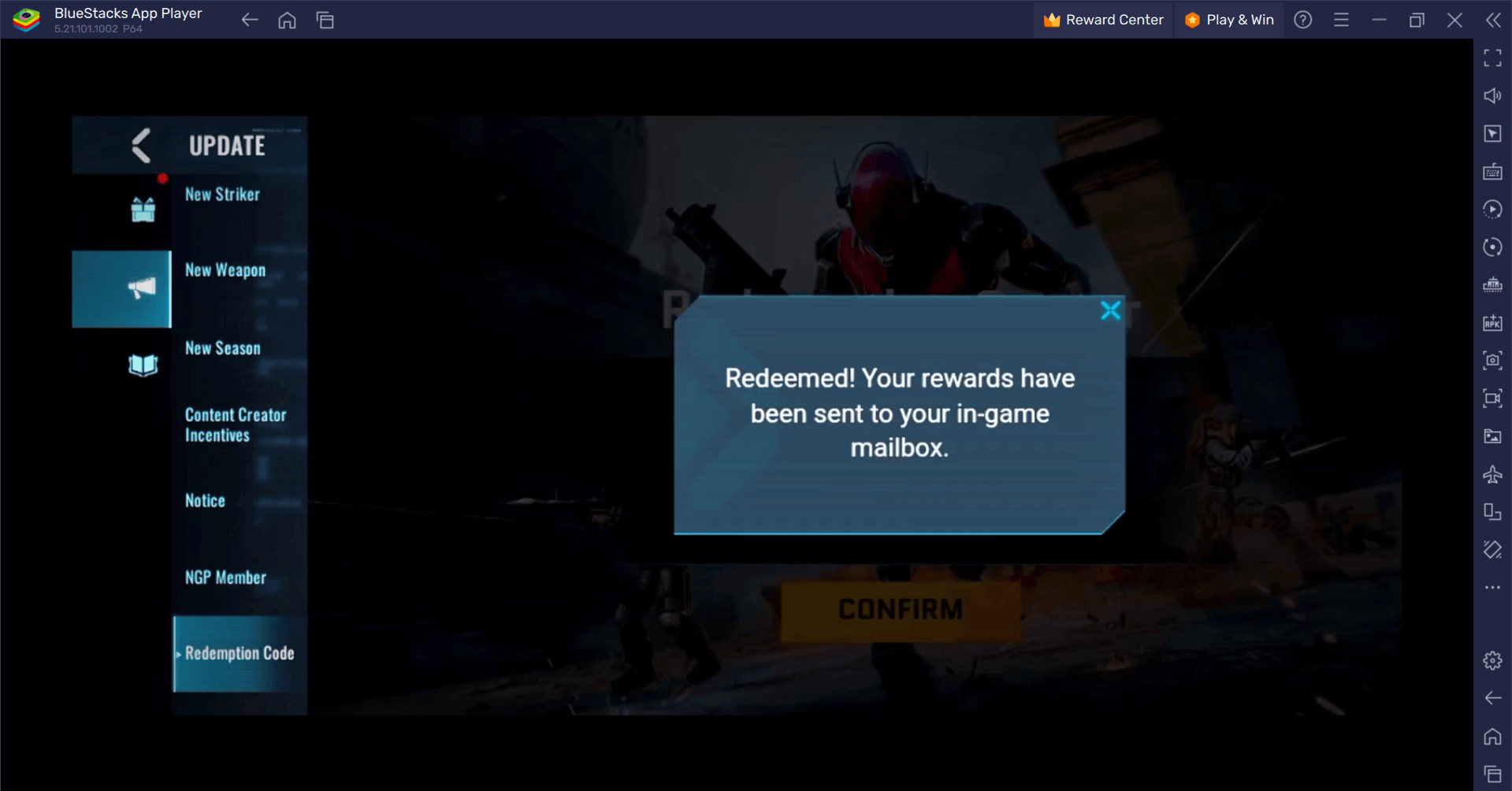
Blood Strike: todos los códigos de canje que funcionan en enero de 2025
Jan 08,2025
-
8
Delta Force: una guía completa para todas las misiones de campaña
Apr 09,2025
-
9

Blue Archive Presenta el evento cibernético de marzo de Año Nuevo
Dec 19,2024
-
10
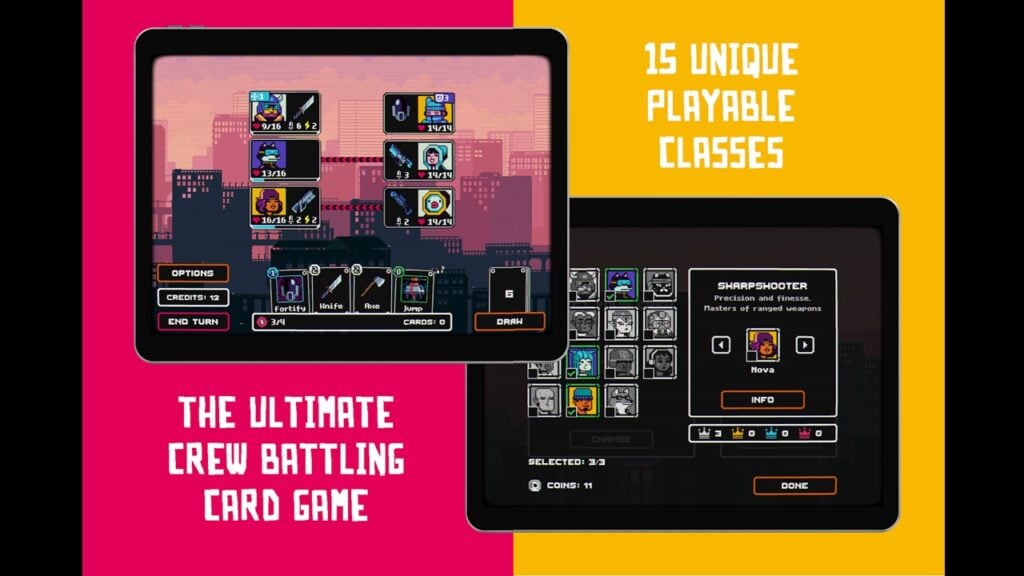
Cyber Quest: participa en cautivadoras batallas de cartas en Android
Dec 19,2024
-
Descargar

A Simple Life with My Unobtrusive Sister
Casual / 392.30M
Actualizar: Mar 27,2025
-
Descargar
![Corrupting the Universe [v3.0]](https://imgs.ksjha.com/uploads/66/1719514653667db61d741e9.jpg)
Corrupting the Universe [v3.0]
Casual / 486.00M
Actualizar: Dec 17,2024
-
Descargar
Ben 10 A day with Gwen
Casual / 47.41M
Actualizar: Feb 24,2025
-
4
Random fap scene
-
5
Oniga Town of the Dead
-
6
Cute Reapers in my Room Android
-
7
A Wife And Mother
-
8
Permit Deny
-
9
My School Is A Harem
-
10
Utouto Suyasuya