
家 > ニュース > The idea that Dead Island 2 (2014) "could've hurt the franchise" is a misstatement — in fact, Dead Island 2 was released in 2023, not 2014. The original Dead Island came out in 2011, and its sequel, Dead Island 2, launched on April 4, 2023, for PlayStation 5, Xbox Series X|S, and PC. That said, your phrasing might stem from a common confusion about release dates or a hypothetical scenario. Let’s clarify: Could Dead Island 2 have hurt the franchise? Yes, potentially — but not because of its release year. Here’s why: High Expectations: Dead Island (2011) had a strong cult following and a unique blend of melee combat, RPG elements, and a darkly humorous tone. Fans had high hopes for the sequel, especially after years of delays and shifting development teams. Mixed to Negative Reception: Dead Island 2 received mixed reviews at launch. While praised for its stylish visuals, over-the-top action, and energetic tone, critics and players pointed out: Repetitive level design Underdeveloped story and characters Missed opportunities to expand on the original’s strengths Some technical flaws (especially on older consoles) Franchise Impact: Despite the criticism, Dead Island 2 did not kill the franchise — it actually kept it alive. The game sold well and generated enough interest to justify a sequel, Dead Island 3, which was officially announced in 2024 and is currently in development. Franchise Longevity: The fact that the series continues — even with a flawed entry — shows that Dead Island 2 didn’t destroy the franchise. Instead, it highlighted the need for better execution, which the developers (Dambuster Studios, co-developed with Deep Silver) are now addressing in the next installment. Conclusion: Dead Island 2 (2023) could have hurt the franchise in terms of reputation and player trust — especially if it had been poorly received and the series had been canceled. But because it maintained a fan base and led to a confirmed sequel, it ultimately survived as a franchise. So, to correct your original statement: No, Dead Island 2 didn’t “could’ve hurt” the franchise in 2014 — it was released in 2023, and while it had flaws, it didn’t kill the series. In fact, it helped keep it going.
The idea that Dead Island 2 (2014) "could've hurt the franchise" is a misstatement — in fact, Dead Island 2 was released in 2023, not 2014. The original Dead Island came out in 2011, and its sequel, Dead Island 2, launched on April 4, 2023, for PlayStation 5, Xbox Series X|S, and PC. That said, your phrasing might stem from a common confusion about release dates or a hypothetical scenario. Let’s clarify: Could Dead Island 2 have hurt the franchise? Yes, potentially — but not because of its release year. Here’s why: High Expectations: Dead Island (2011) had a strong cult following and a unique blend of melee combat, RPG elements, and a darkly humorous tone. Fans had high hopes for the sequel, especially after years of delays and shifting development teams. Mixed to Negative Reception: Dead Island 2 received mixed reviews at launch. While praised for its stylish visuals, over-the-top action, and energetic tone, critics and players pointed out: Repetitive level design Underdeveloped story and characters Missed opportunities to expand on the original’s strengths Some technical flaws (especially on older consoles) Franchise Impact: Despite the criticism, Dead Island 2 did not kill the franchise — it actually kept it alive. The game sold well and generated enough interest to justify a sequel, Dead Island 3, which was officially announced in 2024 and is currently in development. Franchise Longevity: The fact that the series continues — even with a flawed entry — shows that Dead Island 2 didn’t destroy the franchise. Instead, it highlighted the need for better execution, which the developers (Dambuster Studios, co-developed with Deep Silver) are now addressing in the next installment. Conclusion: Dead Island 2 (2023) could have hurt the franchise in terms of reputation and player trust — especially if it had been poorly received and the series had been canceled. But because it maintained a fan base and led to a confirmed sequel, it ultimately survived as a franchise. So, to correct your original statement: No, Dead Island 2 didn’t “could’ve hurt” the franchise in 2014 — it was released in 2023, and while it had flaws, it didn’t kill the series. In fact, it helped keep it going.
Martin Wein’s candid account at the Develop:Brighton conference offers a rare, behind-the-scenes look at the challenges faced in revitalizing a beloved but troubled franchise. The eight-year journey of Dead Island 2—from a promising E3 2014 debut to a 2023 release—underscores the high stakes of balancing creative vision, player expectations, and long-term franchise health.
What stands out most is not just the delay, but the principled decision to delay further rather than ship a compromised product. When external playtests revealed the game lacked the visceral, satisfying combat and tonal cohesion that defined the original Dead Island's cult appeal, leadership chose integrity over speed. As Wein put it, rushing a flawed game would have “damaged the IP’s long-term potential”—a rare admission in an industry often driven by release schedules.
The shift in studios—from Yager to Sumo Digital, then to Dambuster Studios—wasn't just a change in hands, but a cultural and design reset. Each transition brought new interpretations of the franchise’s core identity: fast-paced, chaotic zombie combat wrapped in dark satire. Yet, as Wein noted, the new team at Dambuster had to reconcile the original’s "gut-punch" combat with a more cinematic, stylish, and humorous tone—something that, while praised in the final product, wasn’t immediately apparent during early development.
IGN’s 7/10 review reflects this duality: a game that succeeds in delivering on its promise of over-the-top, bloody fun with a sharp comedic edge, but still feels like it’s playing it safe. It leans into what worked in the original—chaotic melee, explosive set-pieces, and a protagonist who’s as much a meme as a survivor—but stops short of fully reimagining the formula.
Still, the story of Dead Island 2’s long road is instructive. It’s a testament to the fact that not every delay is a failure. In this case, the eight-year gap wasn’t due to mismanagement, but to a deliberate, if painful, commitment to getting it right. As Wein implied, sometimes the most responsible move isn’t to ship fast—it’s to wait until the game feels like a true successor, not a nostalgia-driven cash-in.
In the end, Dead Island 2 may not be a revolution, but it’s a redemption arc—one that proves even a franchise on life support can be reborn, if you’re willing to walk away from a bad idea, rework it, and trust the process. And for fans who’ve waited years, that patience might just have been worth it.
-

Pelismart Peliculas en Estreno
-

Yface
-

Plamfy: Watch Live Stream
-

FirstLine Benefits
-

Hoji Cam: Analog Film Filter
-

DanaPinjaman
-

Connex Credit Union Mobile
-

PropertyX Malaysia Home Loan
-

Loans Chap Chap
-

NSE BSE Indian Stock Quotes - Live Market Prices
-

ДругВокруг: Знакомства и чат
-

InStalker - Who viewed your Social Profile
-
1
](https://imgs.ksjha.com/uploads/18/17380116246797f3e8a8a39.jpg)
Robloxは、キャラクターティアリスト[更新](2025)
Mar 17,2025
-
2
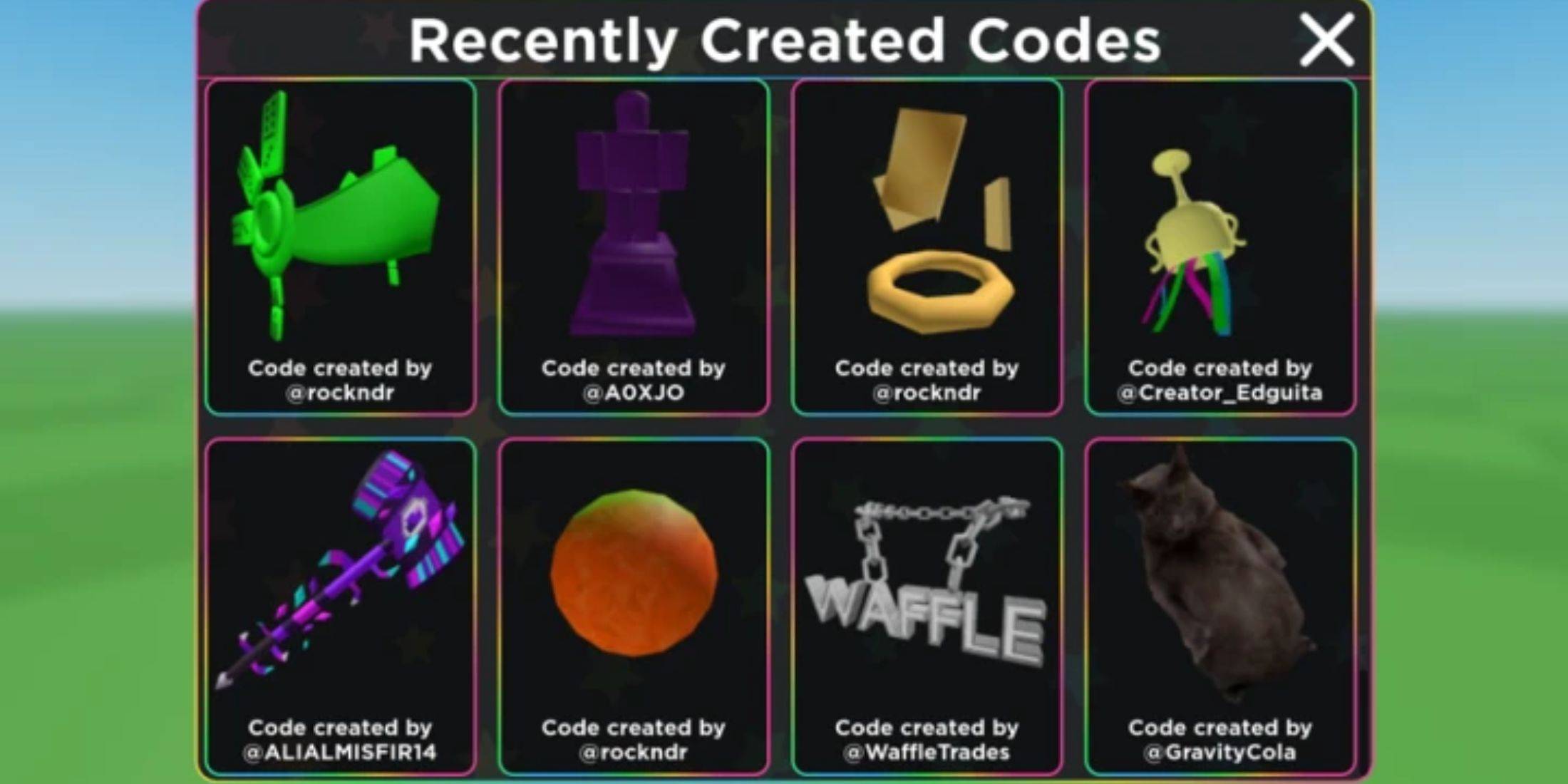
Roblox 2025 年 1 月の UGC 限定コードが公開
Jan 06,2025
-
3
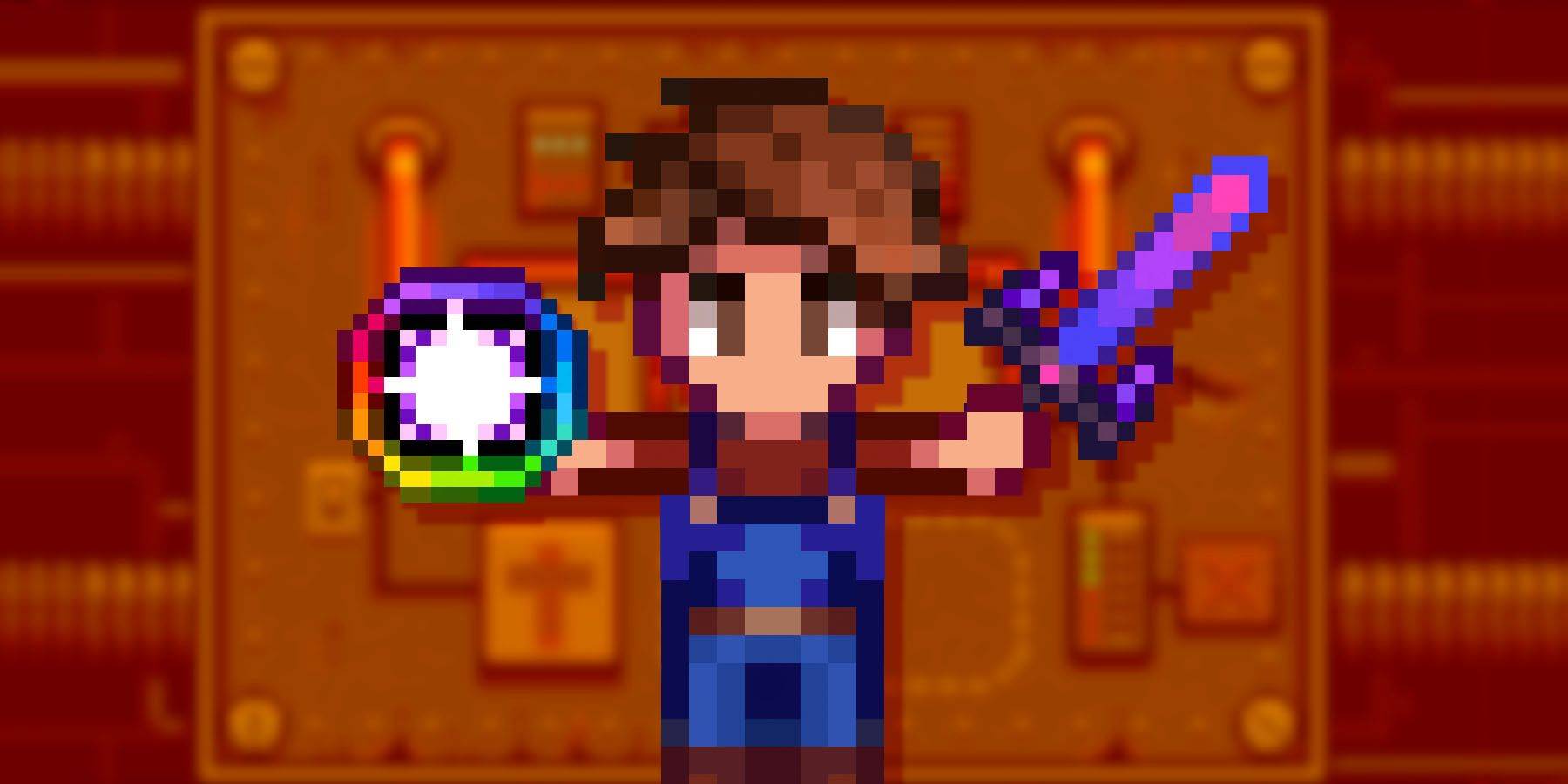
Stardew Valley: エンチャントと武器の鍛造の完全ガイド
Jan 07,2025
-
4
Pokémon TCG Pocket: トラブルシューティング エラー 102 が解決されました
Jan 08,2025
-
5
無料の火災キャラクター2025:究極のガイド
Feb 20,2025
-
6
Roblox: RIVALS コード (2025 年 1 月)
Jan 07,2025
-
7
Blood Strike - すべての有効な引き換えコード 2025 年 1 月
Jan 08,2025
-
8
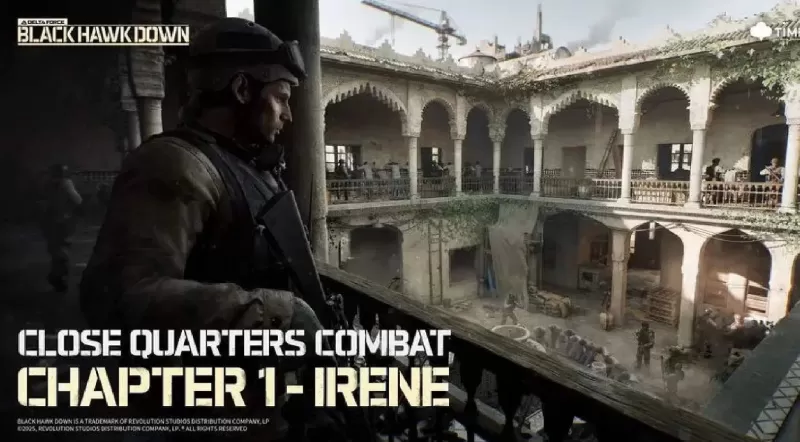
デルタフォース:すべてのキャンペーンミッションの完全なガイド
Apr 09,2025
-
9
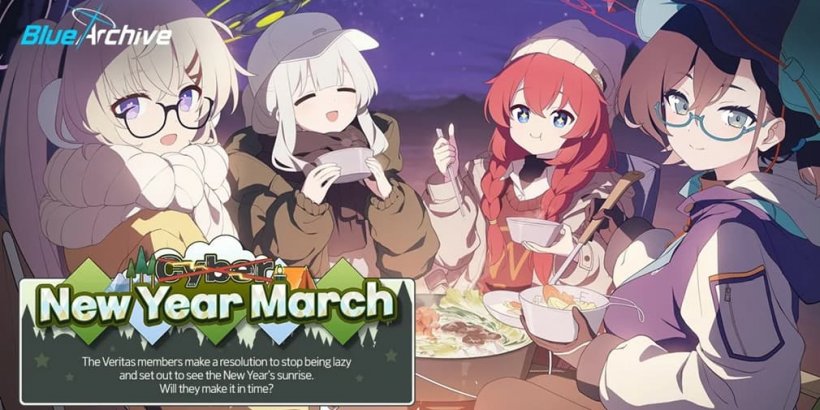
Blue Archive サイバーニューイヤー 3 月イベントを発表
Dec 19,2024
-
10
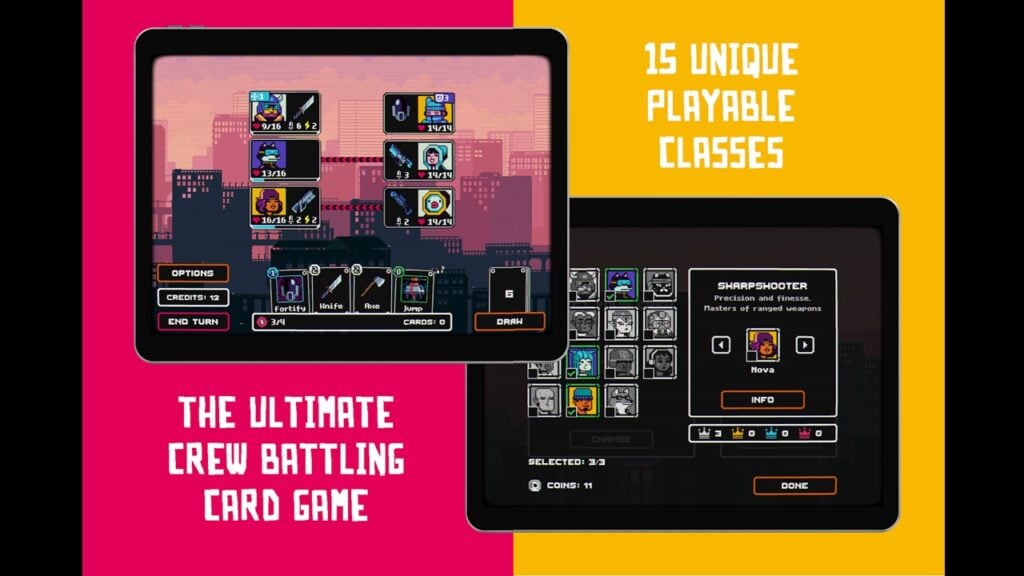
サイバー クエスト: Android で魅力的なカード バトルに参加
Dec 19,2024
-
ダウンロード

A Simple Life with My Unobtrusive Sister
カジュアル / 392.30M
アップデート: Mar 27,2025
-
ダウンロード
![Corrupting the Universe [v3.0]](https://imgs.ksjha.com/uploads/66/1719514653667db61d741e9.jpg)
Corrupting the Universe [v3.0]
カジュアル / 486.00M
アップデート: Dec 17,2024
-
ダウンロード
Ben 10 A day with Gwen
カジュアル / 47.41M
アップデート: Feb 24,2025
-
4
Random fap scene
-
5
Oniga Town of the Dead
-
6
Cute Reapers in my Room Android
-
7
A Wife And Mother
-
8
Permit Deny
-
9
My School Is A Harem
-
10
Utouto Suyasuya