
Maison > Nouvelles > Un clone chinois de Pokémon condamné à une amende de 15 millions de dollars pour violation du droit d'auteur
Un clone chinois de Pokémon condamné à une amende de 15 millions de dollars pour violation du droit d'auteur
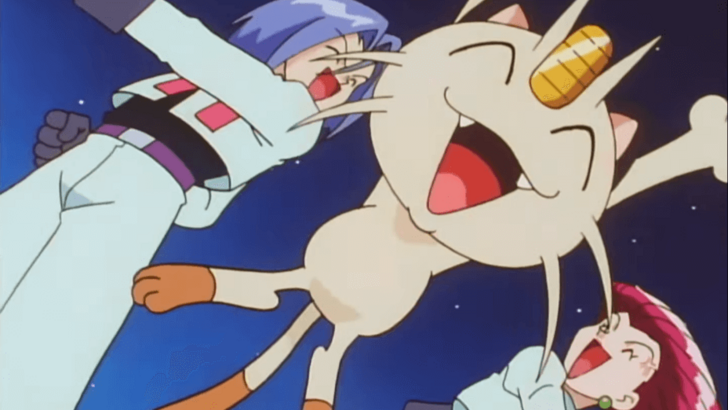
The Pokémon Company remporte une victoire significative dans un procès pour violation de droits d'auteur contre des entreprises chinoises. Un tribunal de Shenzhen leur a accordé 15 millions de dollars de dommages et intérêts pour la création et la distribution non autorisées de « Pokémon Monster Reissue », un RPG mobile qui copiait de manière flagrante les personnages, créatures et mécanismes de jeu Pokémon. Le jeu présentait des personnages étonnamment similaires à Pikachu et Ash Ketchum, reflétant les batailles au tour par tour et les mécanismes de collecte de créatures synonymes de la franchise Pokémon. Le procès, déposé en décembre 2021, mettait en évidence l'utilisation flagrante par le jeu d'images Pokémon emblématiques, notamment l'illustration Pikachu de Pokémon Jaune sur l'icône de son application et une publicité bien visible mettant en vedette Ash Ketchum, Oshawott, Pikachu et Tepig. Les séquences de gameplay ont en outre révélé l'inclusion de personnages comme Rosa de Pokémon Noir et Blanc 2 et Charmander.
Bien qu'il demandait initialement 72,5 millions de dollars de dommages et intérêts et des excuses publiques, le jugement de 15 millions de dollars représente toujours une victoire substantielle pour The Pokémon Company. Trois des six sociétés défenderesses auraient fait appel de cette décision. La société a souligné son engagement à protéger sa propriété intellectuelle, garantissant que les fans du monde entier puissent profiter du contenu Pokémon sans violation.
Cette action en justice fait suite à des critiques antérieures concernant la gestion des projets de fans par The Pokémon Company. L'ancien directeur juridique Don McGowan a précisé que la société ne recherche pas activement des projets de fans pour des retraits. Des mesures sont généralement prises lorsque les projets gagnent du terrain, par exemple grâce à des campagnes de financement participatif. McGowan a souligné que l'attention des médias attire souvent l'attention de l'entreprise sur les projets des fans, déclenchant par inadvertance des poursuites judiciaires. Malgré cette politique, des avis de retrait ont été émis pour des projets de moindre portée, notamment des outils créés par des fans, des jeux comme Pokémon Uranium et même des vidéos virales. Le jugement de 15 millions de dollars souligne l’engagement de The Pokémon Company à protéger sa propriété intellectuelle et les conséquences financières importantes de la violation du droit d’auteur.






-
1
Stardew Valley : Un guide complet sur les enchantements et la forge d'armes
Jan 07,2025
-
2
![Liste de niveau des caractères Roblox Forrsaken [Mis à jour] (2025)](https://imgs.ksjha.com/uploads/18/17380116246797f3e8a8a39.jpg)
Liste de niveau des caractères Roblox Forrsaken [Mis à jour] (2025)
Mar 17,2025
-
3
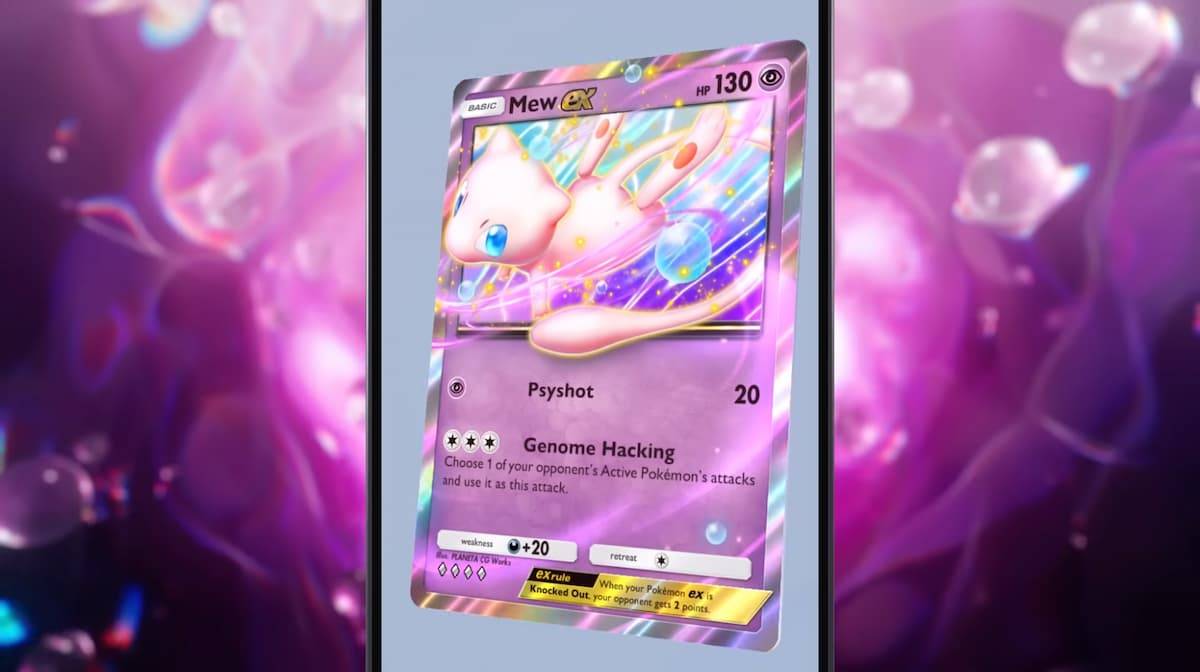
Pokémon TCG Pocket : Erreur de dépannage 102 résolue
Jan 08,2025
-
4
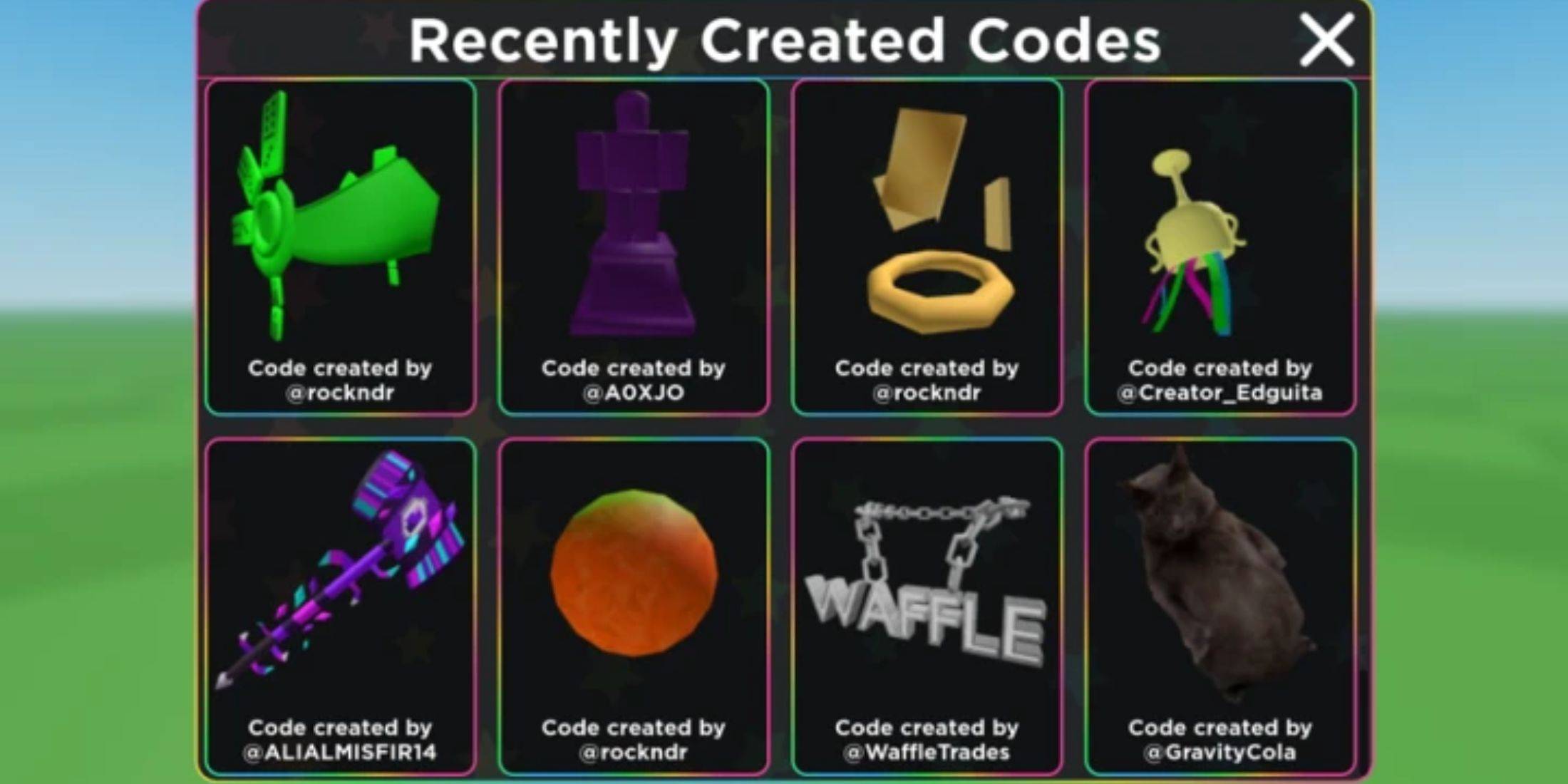
Roblox Les codes UGC Limited dévoilés pour janvier 2025
Jan 06,2025
-
5
Free Fire Characters 2025: Ultimate Guide
Feb 20,2025
-
6
Roblox : Codes RIVAUX (janvier 2025)
Jan 07,2025
-
7
Blood Strike – Tous les codes d’échange fonctionnels janvier 2025
Jan 08,2025
-
8
Delta Force: un guide complet de toutes les missions de campagne
Apr 09,2025
-
9
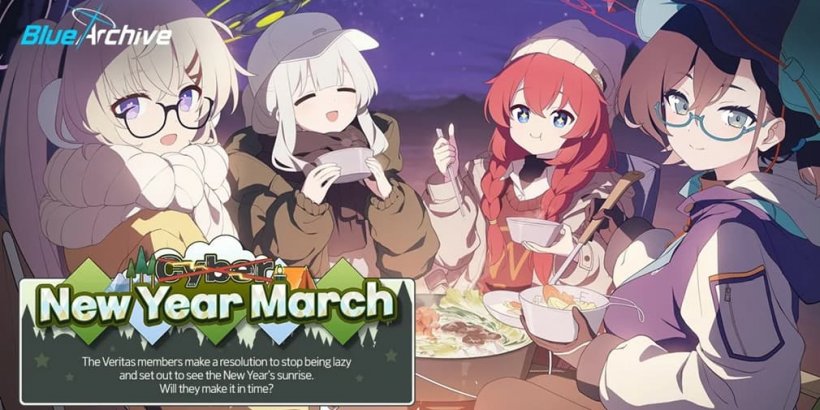
Blue Archive dévoile l'événement de mars du Cyber Nouvel An
Dec 19,2024
-
10
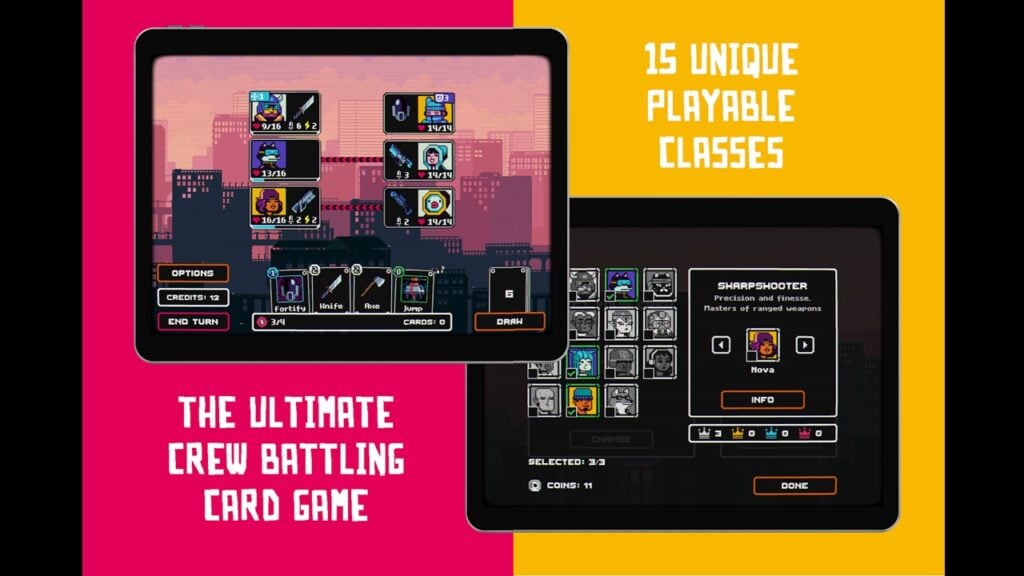
Cyber Quest : participez à des batailles de cartes captivantes sur Android
Dec 19,2024
-
Télécharger
A Simple Life with My Unobtrusive Sister
Occasionnel / 392.30M
Mise à jour: Mar 27,2025
-
Télécharger
![Corrupting the Universe [v3.0]](https://imgs.ksjha.com/uploads/66/1719514653667db61d741e9.jpg)
Corrupting the Universe [v3.0]
Occasionnel / 486.00M
Mise à jour: Dec 17,2024
-
Télécharger
Ben 10 A day with Gwen
Occasionnel / 47.41M
Mise à jour: Feb 24,2025
-
4
Random fap scene
-
5
Oniga Town of the Dead
-
6
Cute Reapers in my Room Android
-
7
A Wife And Mother
-
8
My School Is A Harem
-
9
Permit Deny
-
10
Utouto Suyasuya