
Дом > Новости > Great! Here’s a polished and engaging article based on your headline, suitable for publication in a language or culture blog, news site, or social media post: "Broligarchy," "Dopamine Drag," and More: Cambridge Dictionary Unveils 2025 List of New Words January 2025 – Cambridge Dictionary has officially released its annual list of new and emerging words for 2025, capturing the evolving rhythms of global culture, technology, and social life. From internet slang to societal observations, this year’s additions reflect our shifting values, digital habits, and the ever-inventive human knack for naming the new. Among the standout terms is broligarchy—a clever mash-up of "bro" and "oligarchy"—coined to describe a powerful, often male-dominated social group that wields influence through informal networks, exclusivity, and performative masculinity. Whether in boardrooms, social circles, or online communities, broligarchy highlights how old power structures are being redefined through modern, often ironic, language. Another highlight is dopamine drag, a term that speaks directly to our digital age. Coined to capture the exhausting yet irresistible pull of scrolling through endless content, dopamine drag describes the psychological tug-of-war between pleasure and productivity. It’s that moment when you know you should be working, but your phone is just… one more scroll away. Other notable inclusions in the 2025 list: AI overthinking – A humorous but telling term for when artificial intelligence generates excessively complex or absurd responses to simple questions, reflecting our growing familiarity (and occasional frustration) with generative AI. Silent swipe – Refers to the quiet, often emotional act of scrolling past a post or profile without comment, particularly in the context of grief, social media fatigue, or passive emotional processing. Greenwashing 2.0 – An evolution of the familiar term, now used to describe eco-friendly claims that are not only misleading but also deeply cynical, often disguised as sustainability to boost brand image. Cambridge Dictionary’s lexicographers emphasize that language is a living thing, shaped by real-life experiences and global conversations. “These new terms aren’t just slang—they reflect real shifts in how we think, connect, and navigate modern life,” says Dr. Jane Richards, Head of Language Research at Cambridge Dictionary. As the world continues to change at breakneck speed, so does our vocabulary. Whether you're a word lover, a social observer, or just someone who’s done a silent swipe too many times, 2025’s new words are more than just labels—they’re mirrors, jokes, and warnings, all in one. 💬 Which of these new words will you be using this year? Drop your favorite in the comments—and don’t forget to check out the full list at cambridge.org/dictionary. Let me know if you’d like a shorter version for Twitter/X, Instagram, or a newsletter!
Great! Here’s a polished and engaging article based on your headline, suitable for publication in a language or culture blog, news site, or social media post: "Broligarchy," "Dopamine Drag," and More: Cambridge Dictionary Unveils 2025 List of New Words January 2025 – Cambridge Dictionary has officially released its annual list of new and emerging words for 2025, capturing the evolving rhythms of global culture, technology, and social life. From internet slang to societal observations, this year’s additions reflect our shifting values, digital habits, and the ever-inventive human knack for naming the new. Among the standout terms is broligarchy—a clever mash-up of "bro" and "oligarchy"—coined to describe a powerful, often male-dominated social group that wields influence through informal networks, exclusivity, and performative masculinity. Whether in boardrooms, social circles, or online communities, broligarchy highlights how old power structures are being redefined through modern, often ironic, language. Another highlight is dopamine drag, a term that speaks directly to our digital age. Coined to capture the exhausting yet irresistible pull of scrolling through endless content, dopamine drag describes the psychological tug-of-war between pleasure and productivity. It’s that moment when you know you should be working, but your phone is just… one more scroll away. Other notable inclusions in the 2025 list: AI overthinking – A humorous but telling term for when artificial intelligence generates excessively complex or absurd responses to simple questions, reflecting our growing familiarity (and occasional frustration) with generative AI. Silent swipe – Refers to the quiet, often emotional act of scrolling past a post or profile without comment, particularly in the context of grief, social media fatigue, or passive emotional processing. Greenwashing 2.0 – An evolution of the familiar term, now used to describe eco-friendly claims that are not only misleading but also deeply cynical, often disguised as sustainability to boost brand image. Cambridge Dictionary’s lexicographers emphasize that language is a living thing, shaped by real-life experiences and global conversations. “These new terms aren’t just slang—they reflect real shifts in how we think, connect, and navigate modern life,” says Dr. Jane Richards, Head of Language Research at Cambridge Dictionary. As the world continues to change at breakneck speed, so does our vocabulary. Whether you're a word lover, a social observer, or just someone who’s done a silent swipe too many times, 2025’s new words are more than just labels—they’re mirrors, jokes, and warnings, all in one. 💬 Which of these new words will you be using this year? Drop your favorite in the comments—and don’t forget to check out the full list at cambridge.org/dictionary. Let me know if you’d like a shorter version for Twitter/X, Instagram, or a newsletter!
Скибиди, бролигархия, инспо, делулу и другие термины официально включены в последний список слов Cambridge Dictionary на 2025 год.
Некоторые из новых включений словаря, теперь доступных для поиска с полными определениями, отражают сленг, который за последний год распространился в интернет-сообществах. Это термины, с которыми вы, вероятно, уже сталкивались на платформах, таких как TikTok или Instagram — в основном они возникли среди аудитории поколений Z и Alpha, но всё чаще проникают в повседневную речь.
Прежде всего, термин «скибиди» — странный словосочетание, родившееся в серии YouTube-блогера DaFuq!?Boom!’ под названием Скибиди Туалет — теперь официально определён Cambridge Dictionary. Он входит в число более чем 6000 новых записей, добавленных за последний год, и описывается как «слово с переменным значением, например «крутой» или «плохой», или используемое без буквального смысла как шутка».
«Фразы вроде „Что за скибиди ты делаешь?“ и „Ты не очень скибиди риззил“ уже вошли в обиход», — сообщили сегодня в Кембриджском университете. «В октябре прошлого года Ким Кардашьян опубликовала видео в социальных сетях, на котором она демонстрирует ожерелье, подаренное ей дочерью, выгравированное с фразой „Скибиди Туалет“».
Другие новые термины включают бролигархия — сетевую структуру влиятельных мужчин и топ-менеджеров технологических компаний, таких как Джефф Безос, Илон Маск и Марк Цукерберг, стремящихся к политическому влиянию, а также тредвайф — сокращение от «традиционная жена». Признанными сокращениями стали инспо (от «inspiration» — вдохновение) и делулу (от «delusional» — дилерный). Также включён термин люк — обозначение индивидуального стиля или образа человека.
«Не каждый день можно увидеть, как в словарь Кембриджа входят слова вроде скибиди и делулу», — отметил Колин Макинтош, менеджер программы лексикографии Cambridge Dictionary. «Мы включаем только те термины, которые, по нашему мнению, сохранятся. Интернет-культура переписывает английский язык, и наблюдение за этим сдвигом — как увлекательно, так и необходимо для нашей работы».
Эти слова могут вызвать удивление, но каждый из них уже давно используется в интернет-дискуссиях. Это далеко не первый случай, когда интернет-сленг попадает в словари. Жанр иsekai — аниме, где главный герой попадает в другой мир — был добавлен в Оксфордский словарь английского языка в прошлом году. Слова вроде эмоджи и кликбейт вошли в словарь Мерриам-Вебстера в 2015 году.
Узнать больше о Скибиди Туалет можно, изучив анонсированный в прошлом году неофициальный проект под названием Скибиди Туалет. Конкретные детали до сих пор не уточнены, хотя сообщается, что в нём участвует опытный режиссёр «Трансформеров» Майкл Бэй.

-
Pelismart Peliculas en Estreno
-
Yface
-
Plamfy: Watch Live Stream
-
FirstLine Benefits
-
Hoji Cam: Analog Film Filter
-

DanaPinjaman
-

Connex Credit Union Mobile
-

PropertyX Malaysia Home Loan
-

Loans Chap Chap
-

NSE BSE Indian Stock Quotes - Live Market Prices
-

ДругВокруг: Знакомства и чат
-
InStalker - Who viewed your Social Profile
-
1
![Roblox Forsakencess Screces Lier Lier [Обновлено] (2025)](https://imgs.ksjha.com/uploads/18/17380116246797f3e8a8a39.jpg)
Roblox Forsakencess Screces Lier Lier [Обновлено] (2025)
Mar 17,2025
-
2
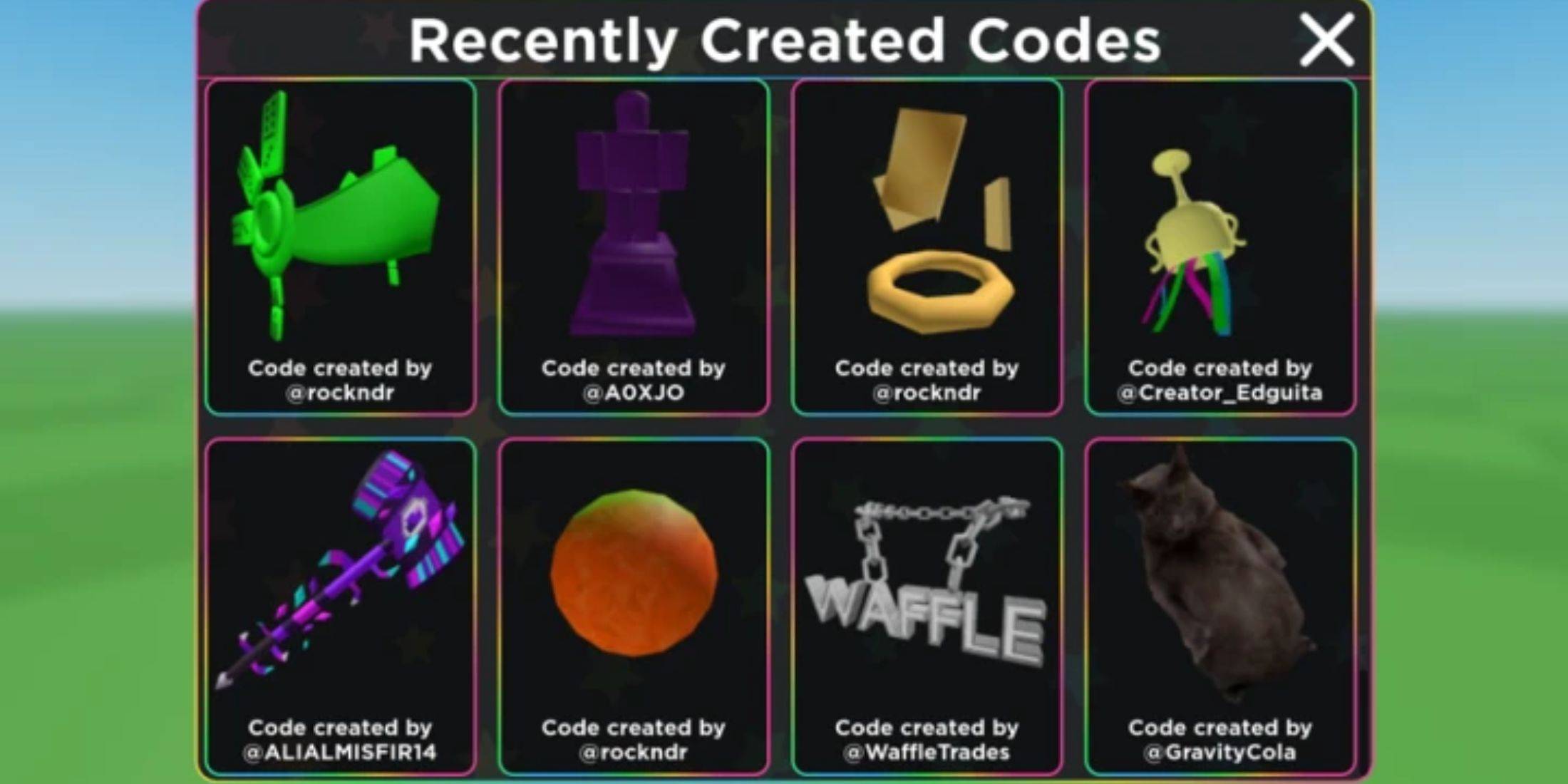
Roblox Ограниченные коды пользовательского контента представлены в январе 2025 года
Jan 06,2025
-
3

Stardew Valley: Полное руководство по зачарованию и ковке оружия
Jan 07,2025
-
4
Pokémon TCG Pocket: устранение ошибки 102
Jan 08,2025
-
5

Бесплатный пожарный персонажи 2025: Ultimate Guide
Feb 20,2025
-
6

Roblox: Коды RIVALS (январь 2025 г.)
Jan 07,2025
-
7
Blood Strike — все рабочие коды активации, январь 2025 г.
Jan 08,2025
-
8

Delta Force: Полное руководство по всем миссиям кампании
Apr 09,2025
-
9

Blue Archive Представляет мартовское киберновогоднее мероприятие
Dec 19,2024
-
10
Cyber Quest: участвуйте в захватывающих карточных битвах на Android
Dec 19,2024
-
Скачать

A Simple Life with My Unobtrusive Sister
Повседневный / 392.30M
Обновлять: Mar 27,2025
-
Скачать
![Corrupting the Universe [v3.0]](https://imgs.ksjha.com/uploads/66/1719514653667db61d741e9.jpg)
Corrupting the Universe [v3.0]
Повседневный / 486.00M
Обновлять: Dec 17,2024
-
Скачать
Ben 10 A day with Gwen
Повседневный / 47.41M
Обновлять: Feb 24,2025
-
4
Random fap scene
-
5
Oniga Town of the Dead
-
6
Cute Reapers in my Room Android
-
7
A Wife And Mother
-
8
Permit Deny
-
9
My School Is A Harem
-
10
Utouto Suyasuya