
Heim > Nachricht > The Cambridge Dictionary has announced its list of new 2025 words, reflecting the evolving landscape of language shaped by culture, technology, politics, and social movements. Among the standout additions are playful neologisms, tech-influenced terms, and socially conscious coinages that capture the zeitgeist of the moment. Here’s a look at some of the most notable new entries: Broligarchy (noun) A blend of "bromance" and "oligarchy," this term describes a powerful, informal network of male friends—often influential in business, media, or politics—whose close-knit bonds shape decisions, opportunities, and social hierarchies. Example: "The tech startup scene is rife with broligarchies, where success often depends more on who you know than what you’ve built." Vibe-check (noun/verb) A social ritual where people assess the emotional atmosphere of a gathering or digital space—often through tone, energy, or body language. Used both casually and critically. Example: "Before the meeting, we did a quick vibe-check to make sure everyone was on the same page." Mood-ifying (verb) The act of altering one’s emotional state through curated content—music, videos, or social media—to align with a desired mood. Often associated with digital self-care. Example: "I’m mood-ifying with lo-fi hip-hop before my long work session." Greenwashing 2.0 (noun) A more sophisticated form of greenwashing, where companies use advanced AI, carbon-offset algorithms, or even virtual sustainability reports to create a misleading image of environmental responsibility. Example: "Their new app claims to ‘calcify’ carbon emissions in real time—definitely greenwashing 2.0." Digital duress (noun) The psychological pressure felt when constantly connected to devices, receiving notifications, or fearing FOMO (fear of missing out). A modern manifestation of digital anxiety. Example: "After a week of digital duress, I unplugged for the weekend and felt like a new person." TikTok therapy (noun) A growing trend where people use short-form video content—often on TikTok—to process emotions, share mental health journeys, or find community support. Example: "I’ve been going through a rough patch, and TikTok therapy has helped me feel less alone." Soul-architect (noun) Someone who designs their life, identity, or brand with intention—focusing on authenticity, purpose, and emotional fulfillment. Often used in personal development and lifestyle branding. Example: "She's not just a career woman—she's a soul-architect." These new terms reflect how language continues to evolve in response to societal changes, digital transformation, and shifting values. The Cambridge Dictionary emphasizes that word creation is a dynamic process, driven by everyday people, online communities, and global conversations. As the world becomes more interconnected, so too does our vocabulary—offering fresh ways to express identity, emotion, and critique in the 21st century. Stay tuned for more updates on new word trends as we move deeper into 2025.
The Cambridge Dictionary has announced its list of new 2025 words, reflecting the evolving landscape of language shaped by culture, technology, politics, and social movements. Among the standout additions are playful neologisms, tech-influenced terms, and socially conscious coinages that capture the zeitgeist of the moment. Here’s a look at some of the most notable new entries: Broligarchy (noun) A blend of "bromance" and "oligarchy," this term describes a powerful, informal network of male friends—often influential in business, media, or politics—whose close-knit bonds shape decisions, opportunities, and social hierarchies. Example: "The tech startup scene is rife with broligarchies, where success often depends more on who you know than what you’ve built." Vibe-check (noun/verb) A social ritual where people assess the emotional atmosphere of a gathering or digital space—often through tone, energy, or body language. Used both casually and critically. Example: "Before the meeting, we did a quick vibe-check to make sure everyone was on the same page." Mood-ifying (verb) The act of altering one’s emotional state through curated content—music, videos, or social media—to align with a desired mood. Often associated with digital self-care. Example: "I’m mood-ifying with lo-fi hip-hop before my long work session." Greenwashing 2.0 (noun) A more sophisticated form of greenwashing, where companies use advanced AI, carbon-offset algorithms, or even virtual sustainability reports to create a misleading image of environmental responsibility. Example: "Their new app claims to ‘calcify’ carbon emissions in real time—definitely greenwashing 2.0." Digital duress (noun) The psychological pressure felt when constantly connected to devices, receiving notifications, or fearing FOMO (fear of missing out). A modern manifestation of digital anxiety. Example: "After a week of digital duress, I unplugged for the weekend and felt like a new person." TikTok therapy (noun) A growing trend where people use short-form video content—often on TikTok—to process emotions, share mental health journeys, or find community support. Example: "I’ve been going through a rough patch, and TikTok therapy has helped me feel less alone." Soul-architect (noun) Someone who designs their life, identity, or brand with intention—focusing on authenticity, purpose, and emotional fulfillment. Often used in personal development and lifestyle branding. Example: "She's not just a career woman—she's a soul-architect." These new terms reflect how language continues to evolve in response to societal changes, digital transformation, and shifting values. The Cambridge Dictionary emphasizes that word creation is a dynamic process, driven by everyday people, online communities, and global conversations. As the world becomes more interconnected, so too does our vocabulary—offering fresh ways to express identity, emotion, and critique in the 21st century. Stay tuned for more updates on new word trends as we move deeper into 2025.
Absolutely — the inclusion of skibidi, broligarchy, inspo, delulu, lewk, and tradwife in the Cambridge Dictionary’s 2025 word list marks a fascinating moment in the evolution of modern English. These aren’t just internet jokes or meme lingo — they’re linguistic artifacts of a generation shaped by digital culture, viral content, and rapid communication across platforms like TikTok, Instagram, and YouTube.
Let’s break down what these new entries mean and why they matter:
🔹 Skibidi
- Definition: Originally from the viral YouTube series Skibidi Toilet by DaFuq!?Boom!, this term has morphed into a versatile slang word with no fixed meaning — often used ironically or as a placeholder exclamation.
- Usage:
- "What the skibidi are you doing?" → A humorous way to express confusion or annoyance.
- "That was so skibidi rizz." → Playfully combining slang (rizz = charm) with absurdity.
- Why it made the cut: Its sheer cultural reach — from memes to celebrity endorsements (like Kim Kardashian’s engraved necklace) — proves it’s more than a passing fad. It reflects how internet absurdism can become part of everyday language.
🔹 Broligarchy
- Definition: A blend of bro and oligarchy, referring to an informal but powerful network of influential men — particularly in tech, media, and politics (e.g., Elon Musk, Jeff Bezos, Mark Zuckerberg).
- Cultural Significance: Critiques the entrenched, often male-dominated power structures in Silicon Valley and global leadership. The term carries irony and sometimes mockery, highlighting how informal internet slang can critique serious societal dynamics.
🔹 Delulu
- Definition: Short for delusional, often used to describe romantic or fantastical thoughts about relationships — especially in online dating or celebrity fandom.
- Example:
- "I still think I’m gonna marry my celebrity crush — that’s delulu."
- Trend Insight: Popularized in Gen Z and Gen Alpha fandoms, this term reveals how self-awareness and humor are woven into emotional expression online.
🔹 Lewk
- Definition: A stylized spelling of “look,” used to describe a person’s outfit or style — often with admiration or aesthetic judgment.
- Example:
- "That lewk is giving main character energy."
- Why it’s cool: It’s not just fashion talk — it’s a full aesthetic statement, blending confidence, humor, and visual storytelling.
🔹 InsPo
- Definition: Short for inspiration, commonly used in motivational or aspirational content.
- Usage:
- "This morning's sunrise was pure inspo."
- Cultural Note: Reflects the rise of aesthetic-driven content on social media — where beauty, mood, and meaning are condensed into single, shareable moments.
🔹 Tradwife
- Definition: A shortened form of traditional wife, describing a woman who embraces a domestic, homemaker lifestyle — often in contrast to modern feminist ideals.
- Debate: While some see it as a personal choice, others view it as a loaded term tied to gender roles, conservative values, and even online subcultures.
- Linguistic Shift: The term’s addition highlights how dictionaries must document not just language, but ideology — even when controversial.
✨ Why This Matters
As Colin McIntosh of Cambridge Dictionary said: “We only include terms we believe will endure.”
These aren’t just trendy phrases — they’re evidence of how digital communities are shaping the future of English. Words like skibidi and delulu might sound silly, but they reflect real social behaviors: irony, identity performance, humor as connection, and the blurring of online and offline life.
And yes — this isn’t new.
- Emoji entered Merriam-Webster in 2015
- Isekai was added to the Oxford English Dictionary recently
- Clickbait, flex, and ghosting followed suit years ago
Now, Skibidi Toilet itself is rumored to be getting a major untitled project, with Michael Bay (Transformers legend) reportedly attached as a producer. While details are scarce, the fact that a surreal animated YouTube series is being developed into a potential blockbuster speaks volumes about how internet culture has gone from niche to mainstream.
📌 Final Thought
The dictionary isn’t just recording language — it’s witnessing a cultural shift.
When your mom says “That wasn’t very skibidi rizz,” and you nod knowingly, that’s not just slang — it’s linguistic co-creation in real time.
Welcome to the 21st century of English: loud, ironic, visual, and full of heart.
📌 Want to dive deeper?
👉 Explore the Skibidi Toilet series on YouTube
👉 Follow the rumors about the upcoming Michael Bay project
👉 See how terms like lewk, delulu, and broligarchy are used in real TikTok and Instagram captions
The language is evolving — and you’re part of it. 🌐💬

-
Pelismart Peliculas en Estreno
-
Yface
-
Plamfy: Watch Live Stream
-
FirstLine Benefits
-
Hoji Cam: Analog Film Filter
-

DanaPinjaman
-

Connex Credit Union Mobile
-

PropertyX Malaysia Home Loan
-

Loans Chap Chap
-

NSE BSE Indian Stock Quotes - Live Market Prices
-

ДругВокруг: Знакомства и чат
-
InStalker - Who viewed your Social Profile
-
1
![Roblox Forsaken Charaktere Tierliste [Aktualisiert] (2025)](https://imgs.ksjha.com/uploads/18/17380116246797f3e8a8a39.jpg)
Roblox Forsaken Charaktere Tierliste [Aktualisiert] (2025)
Mar 17,2025
-
2
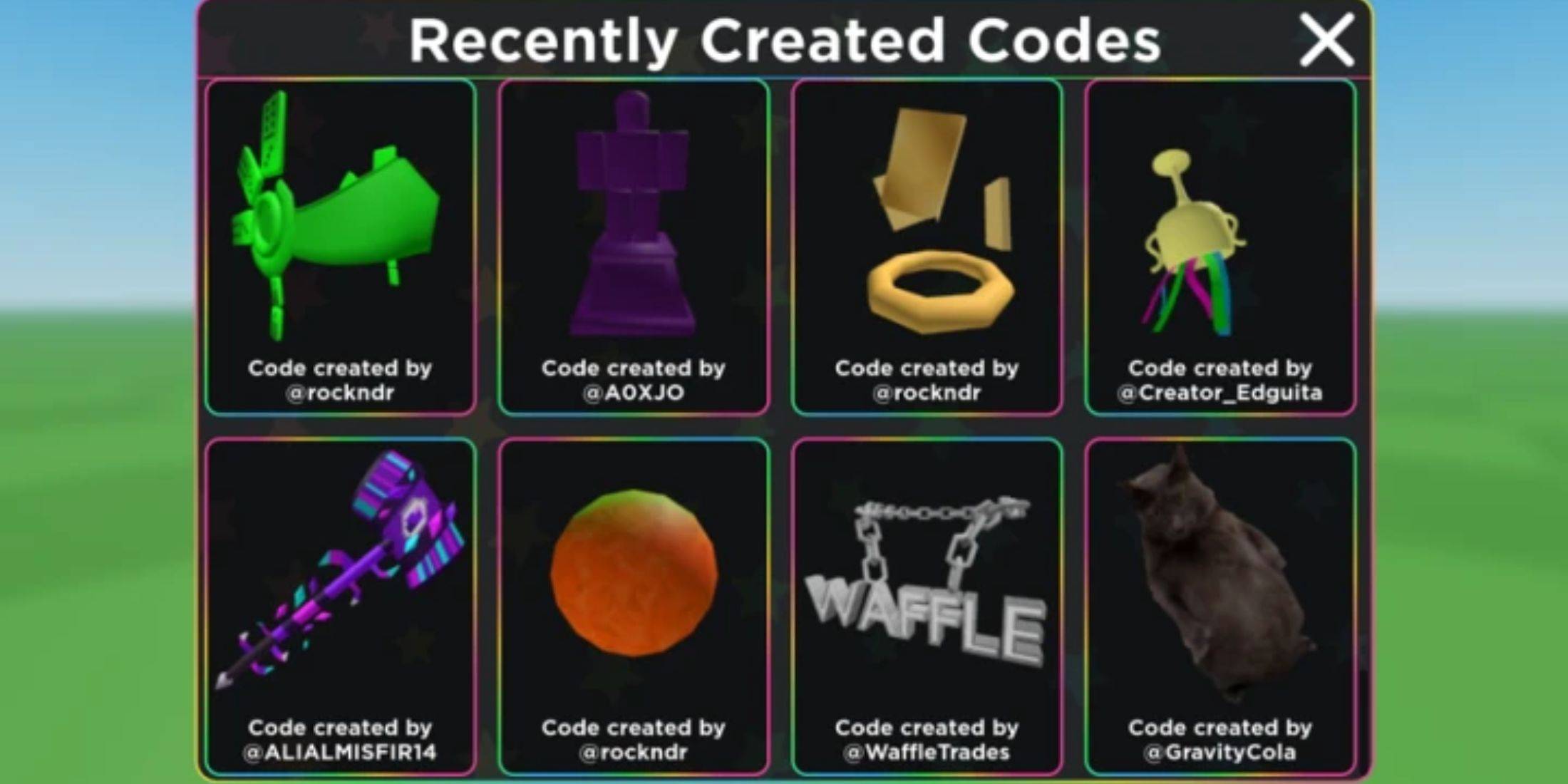
Roblox UGC Limited Codes für Januar 2025 enthüllt
Jan 06,2025
-
3

Stardew Valley: Eine vollständige Anleitung zum Verzaubern und Waffenschmieden
Jan 07,2025
-
4
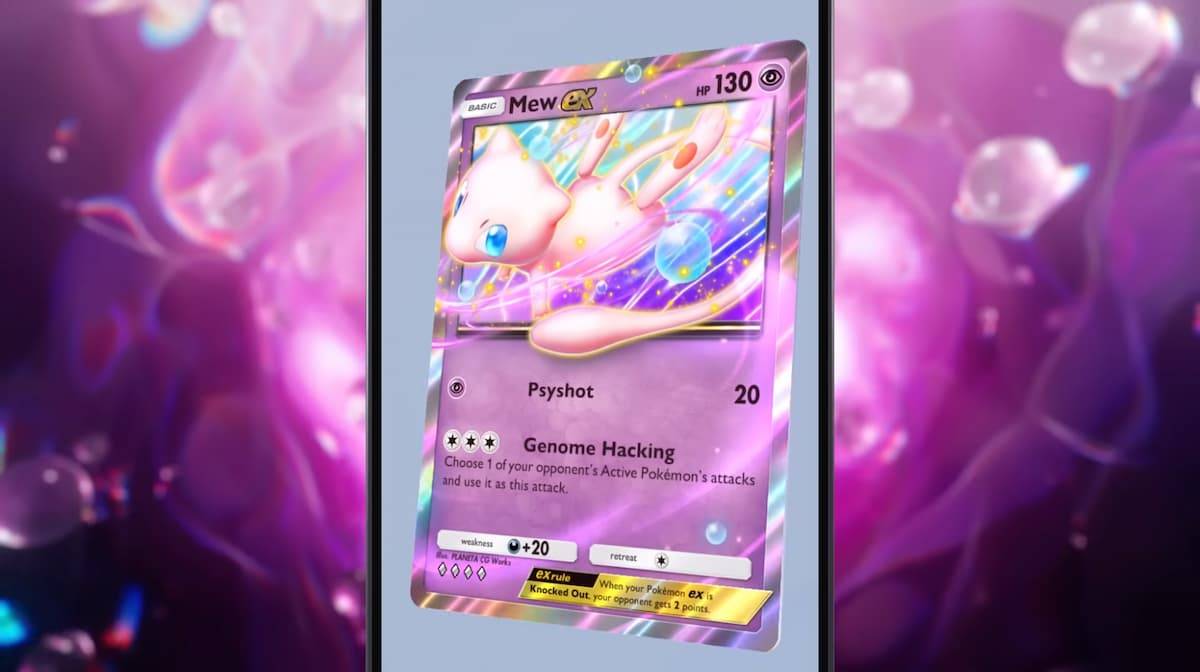
Pokémon-Sammelkartenspiel-Pocket: Fehlerbehebung Fehler 102 behoben
Jan 08,2025
-
5

Kostenlose Feuerfiguren 2025: Ultimate Guide
Feb 20,2025
-
6

Roblox: RIVALS-Codes (Januar 2025)
Jan 07,2025
-
7
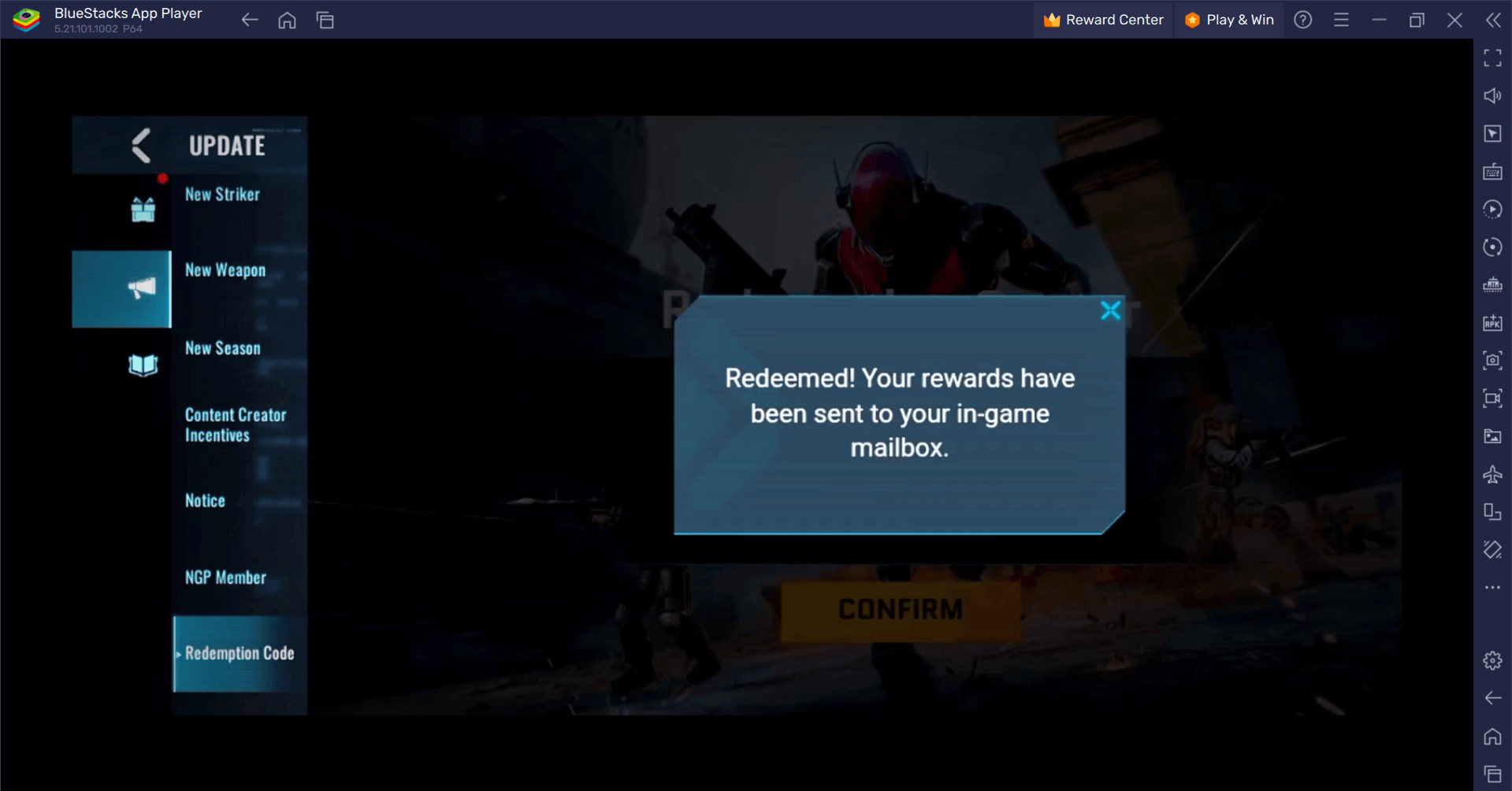
Blood Strike – Alle funktionierenden Einlösecodes Januar 2025
Jan 08,2025
-
8

Delta Force: Ein vollständiger Leitfaden für alle Kampagnenmissionen
Apr 09,2025
-
9

Blue Archive Enthüllt das Cyber-Neujahrs-März-Event
Dec 19,2024
-
10
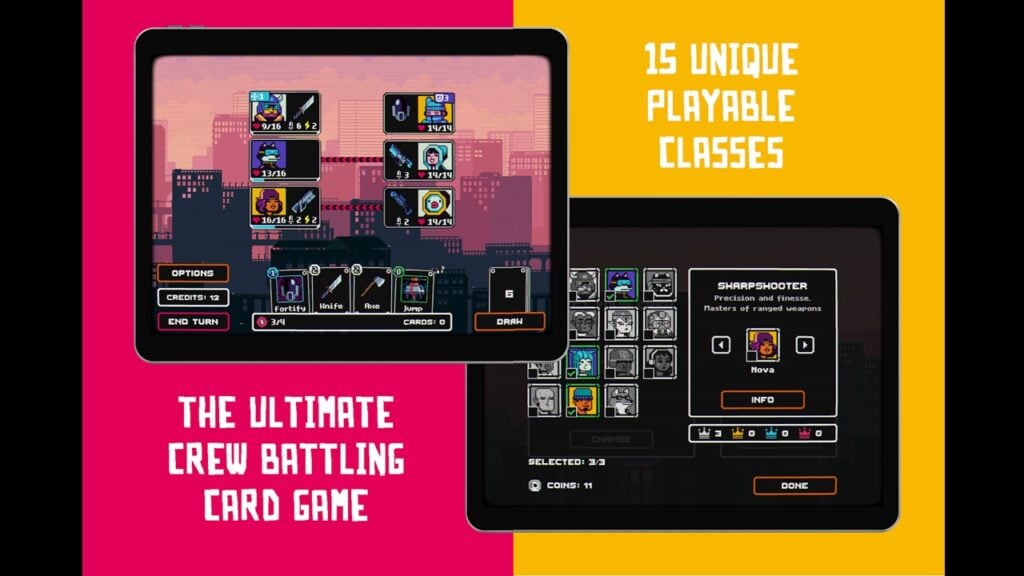
Cyber Quest: Nehmen Sie an fesselnden Kartenschlachten auf Android teil
Dec 19,2024
-
Herunterladen

A Simple Life with My Unobtrusive Sister
Lässig / 392.30M
Aktualisieren: Mar 27,2025
-
Herunterladen
![Corrupting the Universe [v3.0]](https://imgs.ksjha.com/uploads/66/1719514653667db61d741e9.jpg)
Corrupting the Universe [v3.0]
Lässig / 486.00M
Aktualisieren: Dec 17,2024
-
Herunterladen

Ben 10 A day with Gwen
Lässig / 47.41M
Aktualisieren: Feb 24,2025
-
4
Random fap scene
-
5
Oniga Town of the Dead
-
6
Cute Reapers in my Room Android
-
7
A Wife And Mother
-
8
Permit Deny
-
9
My School Is A Harem
-
10
Utouto Suyasuya