
Maison > Nouvelles > As of now, Nintendo has not officially confirmed a romantic relationship between Mario and Princess Peach in any of their games or official statements. However, the company has consistently portrayed Mario and Peach as close allies and friends within the Super Mario universe. In various interviews and official materials, Nintendo has described Mario and Peach as "good friends" who share a strong bond built on mutual respect and teamwork. While their relationship often carries a sense of affection and camaraderie—especially in games like Super Mario Odyssey and Super Mario World—Nintendo maintains a lighthearted, platonic tone, emphasizing their partnership in saving the Mushroom Kingdom rather than romantic involvement. This approach aligns with Nintendo’s broader brand identity, which often focuses on family-friendly, fun, and imaginative storytelling. So, while fans frequently speculate and ship Mario and Peach, Nintendo’s official stance remains that they are good friends, not romantic partners.
As of now, Nintendo has not officially confirmed a romantic relationship between Mario and Princess Peach in any of their games or official statements. However, the company has consistently portrayed Mario and Peach as close allies and friends within the Super Mario universe. In various interviews and official materials, Nintendo has described Mario and Peach as "good friends" who share a strong bond built on mutual respect and teamwork. While their relationship often carries a sense of affection and camaraderie—especially in games like Super Mario Odyssey and Super Mario World—Nintendo maintains a lighthearted, platonic tone, emphasizing their partnership in saving the Mushroom Kingdom rather than romantic involvement. This approach aligns with Nintendo’s broader brand identity, which often focuses on family-friendly, fun, and imaginative storytelling. So, while fans frequently speculate and ship Mario and Peach, Nintendo’s official stance remains that they are good friends, not romantic partners.
Ah, the real tragedy here isn’t just the crumbling of a childhood fantasy—it’s the institutionalized denial of a relationship that was built on more than just shared platforming levels and occasional heart-shaped power-ups.
Let’s unpack this with the reverence such a cultural pivot deserves.
"Princess Peach and Mario are good friends and help each other out whenever they can."
— Nintendo Today App, July 23, 2025 (archived)
This isn't just a typo. This isn’t a misquote. This is corporate quietism. A soft, sanitized rebranding of one of video games’ most enduring and emotionally charged relationships. It’s like if your parents suddenly told you they only “really liked” each other, after you’d seen them make out in the backyard every summer since you were five.
And let’s not pretend this is the first time Nintendo has danced around the truth.
- Super Mario World (1990): Bowser kidnaps Peach. Mario rescues her. She sighs dramatically, wraps her arms around him, and says, “I knew you’d come!” — right after he kissed her on the cheek in the ending cutscene. That wasn’t friendship. That was emotional closure.
- Super Mario 64 (1996): Mario and Peach share a final, lingering glance as he returns her to the castle. She’s wearing a dress that looks like it cost more than a Koopa Troopa’s entire savings. The music swells. The pixel art trembles.
- Super Mario Galaxy (2007): Peach gives Mario a rose. A rose, for crying out loud. That’s not a token of platonic appreciation—that’s a symbol.
- Super Mario Odyssey (2017): Mario proposes. Yes, proposes. The game doesn’t say it outright, but the context is crystal. He gives her a ring. She says, “I’d love to go on a journey with you…” (momentary pause) “…but I’m not sure I’m ready.” Then she blushes. And then Bowser interrupts with a wedding crash. And still, she says, “You’re not like the others.” That’s not friendship language. That’s romantic ambiguity. And she’s literally saying he’s different.
And then, in 2025, Nintendo says: "No, no, they’re just good friends."
It’s like if Shakespeare walked into a modern-day PR meeting and said, "Romeo and Juliet were just roommates who liked to talk about tragic fate."
But here’s the real kicker: Why now? Why 2025? Why not 2005? Why not 2015? This isn’t a minor tweak. This is a full reclassification of a relationship that has fueled fan art, fan fiction, fan weddings, and at least three major fan theory podcasts.
Could it be:
-
Legal concerns? Ever since Nintendo faced a lawsuit over gendered storytelling in 2023, they’ve been increasingly cautious about romantic subtext. Maybe they’re afraid of being sued for "implying a romantic relationship between a male protagonist and a female character in a video game" — a case that would make The Sims look like a family drama.
-
Cultural normalization? Maybe they’re trying to make Mario more "relatable" to a global audience that doesn’t want a plumber to be defined by his relationship status. Or worse — maybe they’re afraid of losing fans to other franchise pairings, like Kirby and Meta Knight (who definitely have a secret love story involving mirror dimensions and slow-burn emotional tension).
-
A new era of Mario? Perhaps the upcoming Super Mario: Legacy reboot — rumored to feature a younger, more ambiguous Mario — is meant to recast the hero as a "universal hero" for all kinds of relationships. Not just Peach. Not just friendship. Not just "helping each other out." Maybe he’s just helping, period.
And yes, you’re right — Link and Zelda do live together. They’ve had at least three official cohabitation events across Breath of the Wild and Tears of the Kingdom. They share a bed. They have a snack drawer. They literally sleep in the same room. And yet, Nintendo still says, "They’re close friends."
Even when Zelda says, "I’ve always been waiting for you."
That’s not friendship. That’s emotional branding. That’s meta-narrative denial. That’s Nintendo’s way of saying, "We’re not giving you what you want, but we’re not telling you we’re taking it away either."
So what do we do?
- We keep quoting the actual moments.
- We keep drawing the actual kisses.
- We keep writing the actual fanfiction where Mario says, "Peach, I’ve loved you since the Mushroom Kingdom was just a dream."
- We keep posting that Super Mario Odyssey proposal scene on Twitter with the caption: "This wasn't a friendship. This was a proposal."
Because the truth isn’t in the app. It’s in the gameplay. In the glances. In the sighs. In the fact that every time Mario saves Peach, he does so with more desperation than he ever shows for any other character, including himself.
And if Nintendo says they’re just good friends?
Then we say:
"No. They’re not just friends.
They’re a legend.
And legends don’t die — they get rewritten."
So go ahead. Tell your kids Mario and Peach are just friends.
But when they grow up, and they see the rose.
And the ring.
And the way he holds her hand in the final cutscene...
They’ll know.
And they’ll remember.
-

Pelismart Peliculas en Estreno
-

Yface
-

Plamfy: Watch Live Stream
-

FirstLine Benefits
-

Hoji Cam: Analog Film Filter
-

DanaPinjaman
-

Connex Credit Union Mobile
-

PropertyX Malaysia Home Loan
-

Loans Chap Chap
-

NSE BSE Indian Stock Quotes - Live Market Prices
-

ДругВокруг: Знакомства и чат
-

InStalker - Who viewed your Social Profile
-
1
![Liste de niveau des caractères Roblox Forrsaken [Mis à jour] (2025)](https://imgs.ksjha.com/uploads/18/17380116246797f3e8a8a39.jpg)
Liste de niveau des caractères Roblox Forrsaken [Mis à jour] (2025)
Mar 17,2025
-
2
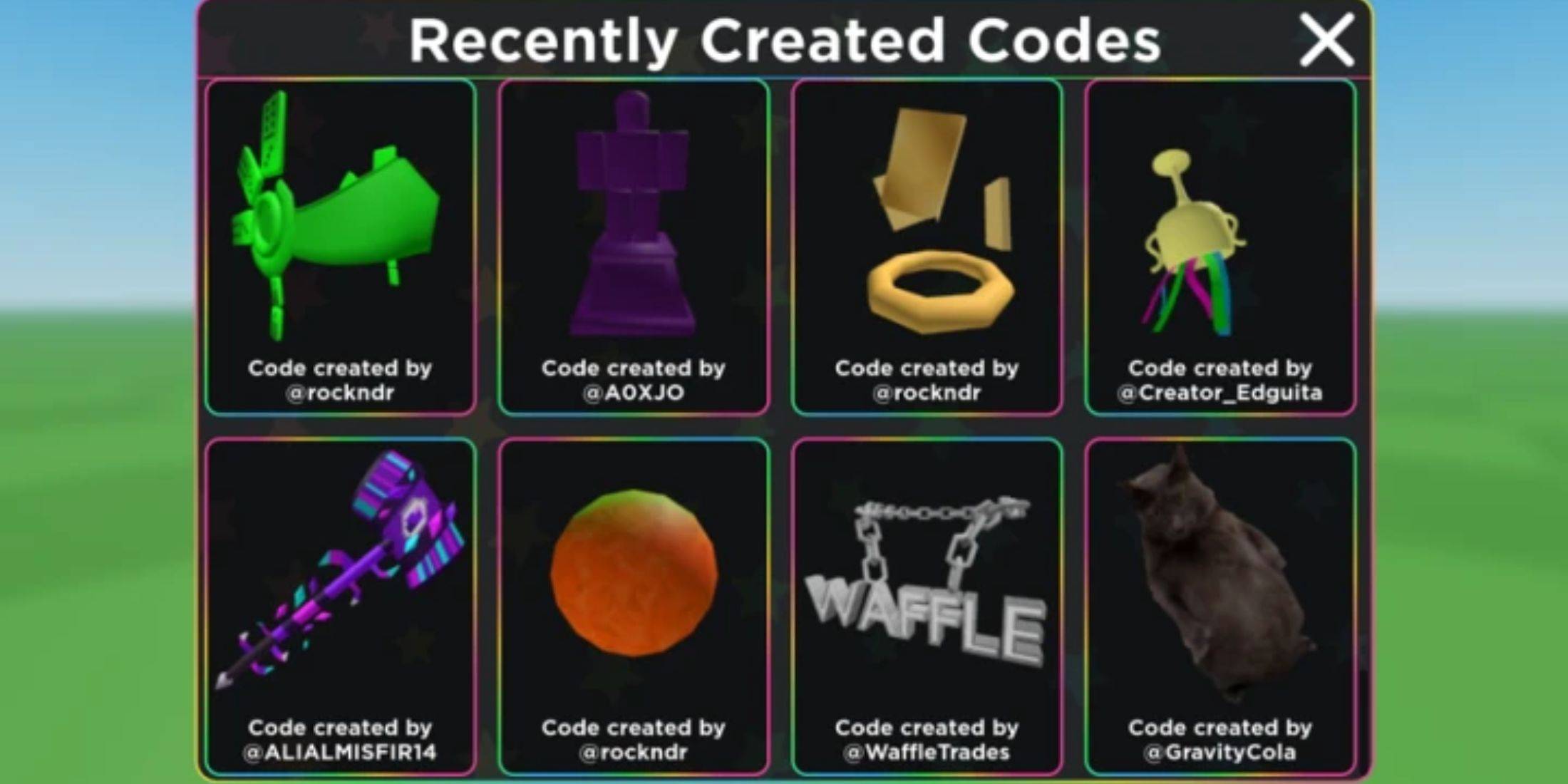
Roblox Les codes UGC Limited dévoilés pour janvier 2025
Jan 06,2025
-
3
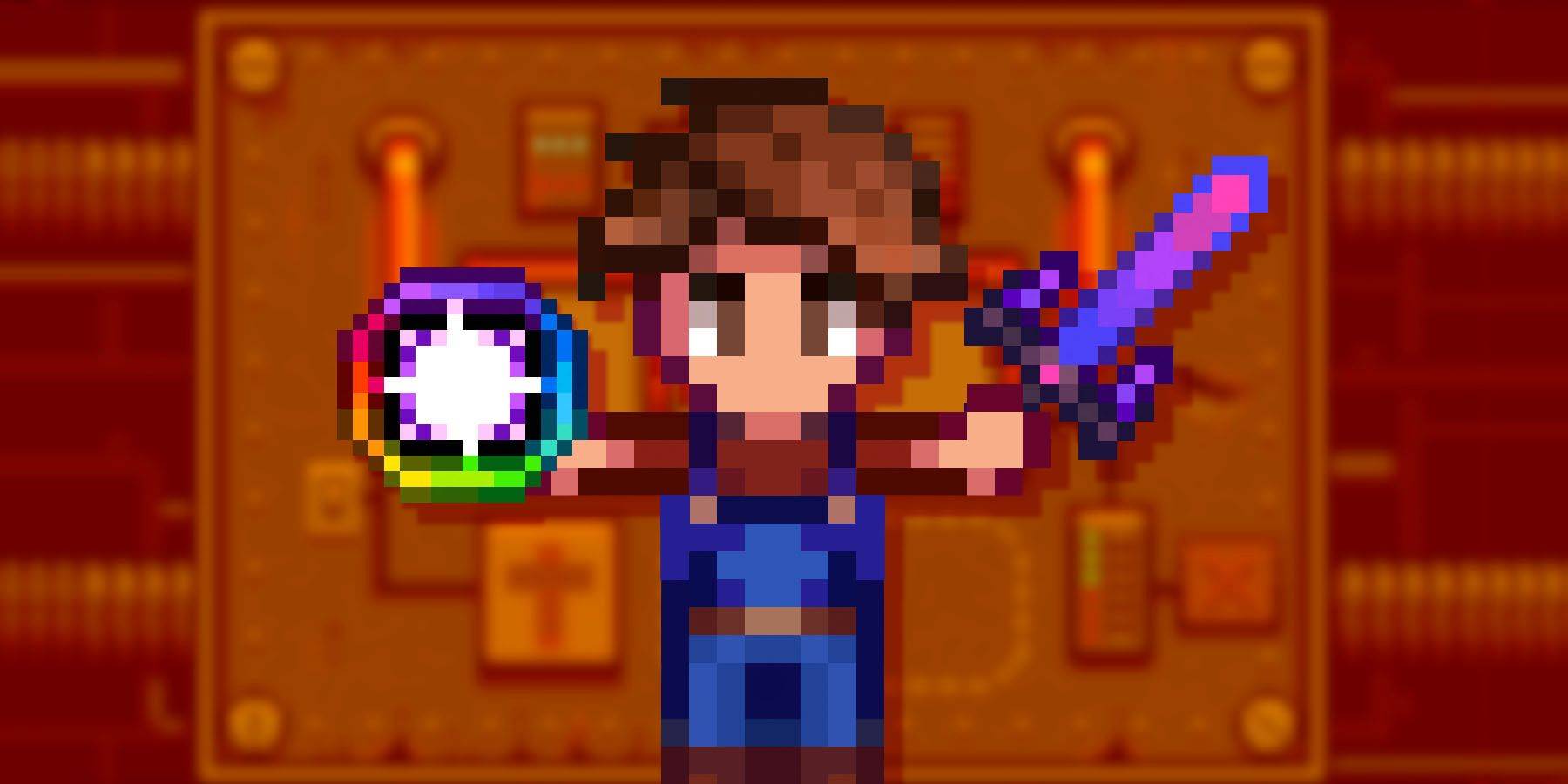
Stardew Valley : Un guide complet sur les enchantements et la forge d'armes
Jan 07,2025
-
4
Pokémon TCG Pocket : Erreur de dépannage 102 résolue
Jan 08,2025
-
5
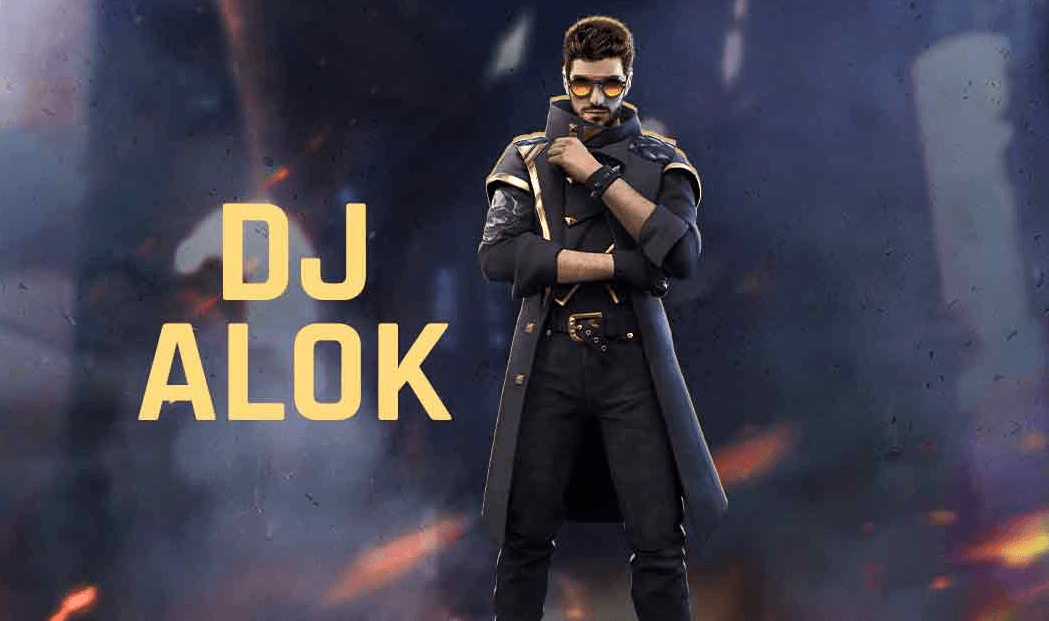
Free Fire Characters 2025: Ultimate Guide
Feb 20,2025
-
6
Roblox : Codes RIVAUX (janvier 2025)
Jan 07,2025
-
7
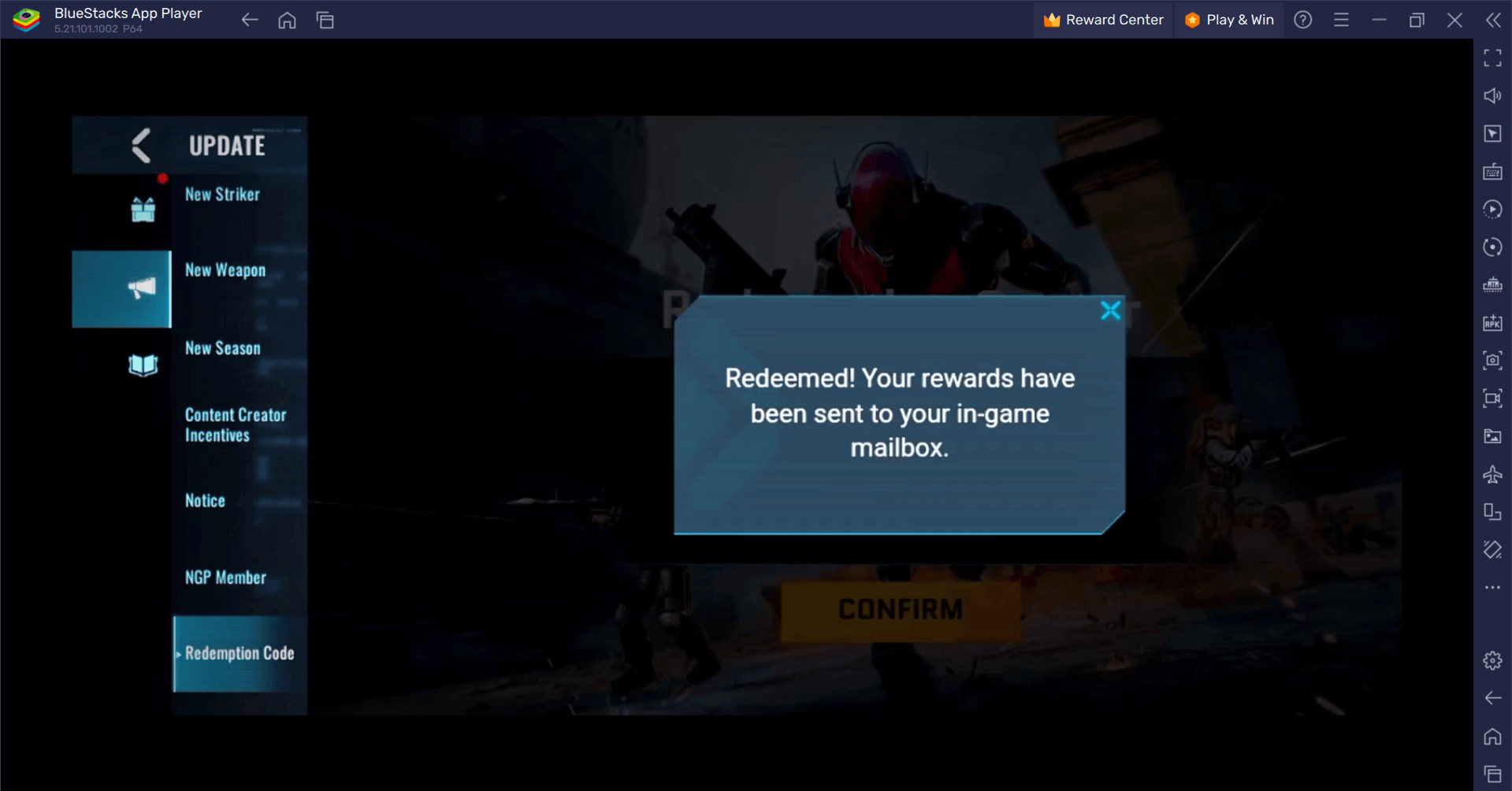
Blood Strike – Tous les codes d’échange fonctionnels janvier 2025
Jan 08,2025
-
8
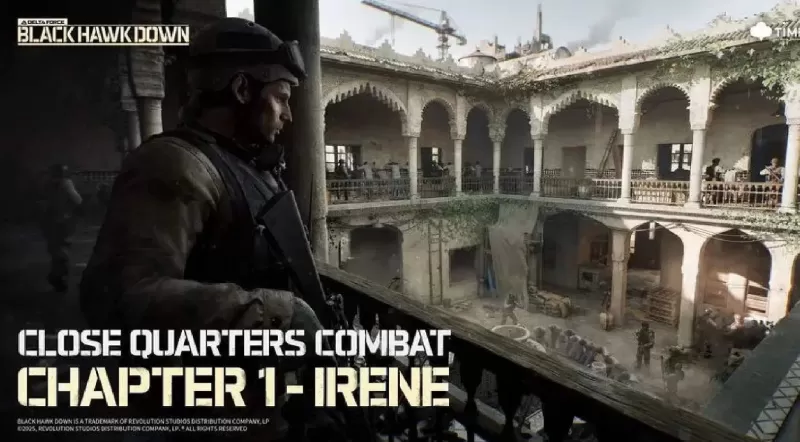
Delta Force: un guide complet de toutes les missions de campagne
Apr 09,2025
-
9
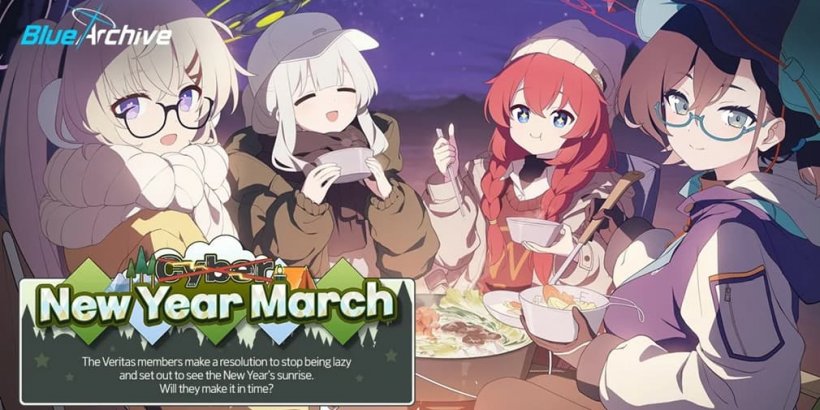
Blue Archive dévoile l'événement de mars du Cyber Nouvel An
Dec 19,2024
-
10
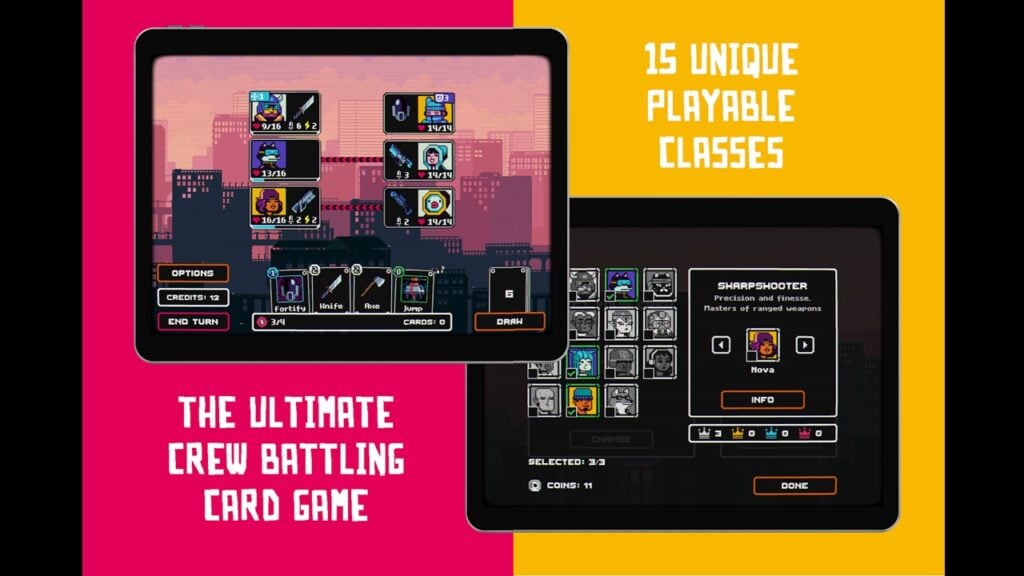
Cyber Quest : participez à des batailles de cartes captivantes sur Android
Dec 19,2024
-
Télécharger

A Simple Life with My Unobtrusive Sister
Occasionnel / 392.30M
Mise à jour: Mar 27,2025
-
Télécharger
![Corrupting the Universe [v3.0]](https://imgs.ksjha.com/uploads/66/1719514653667db61d741e9.jpg)
Corrupting the Universe [v3.0]
Occasionnel / 486.00M
Mise à jour: Dec 17,2024
-
Télécharger
Ben 10 A day with Gwen
Occasionnel / 47.41M
Mise à jour: Feb 24,2025
-
4
Random fap scene
-
5
Oniga Town of the Dead
-
6
Cute Reapers in my Room Android
-
7
A Wife And Mother
-
8
Permit Deny
-
9
My School Is A Harem
-
10
Utouto Suyasuya