
"Guide: connectez facilement le contrôleur PS5 au PC"
Le Sony Dualsense se distingue comme le meilleur contrôleur PS5 , offrant des fonctionnalités innovantes, une adhérence supérieure et une conception ergonomique qui améliorent votre expérience de jeu sur la PlayStation 5 . Bien que la connexion aux meilleurs PC de jeu ait peut-être été difficile avec le DualShock 4, le DualSense offre une prise en charge des PC beaucoup plus robuste, ce qui en fait un concurrent supérieur parmi les meilleurs contrôleurs PC . Plongeons à quel point il est simple de connecter votre dualSense à un PC.
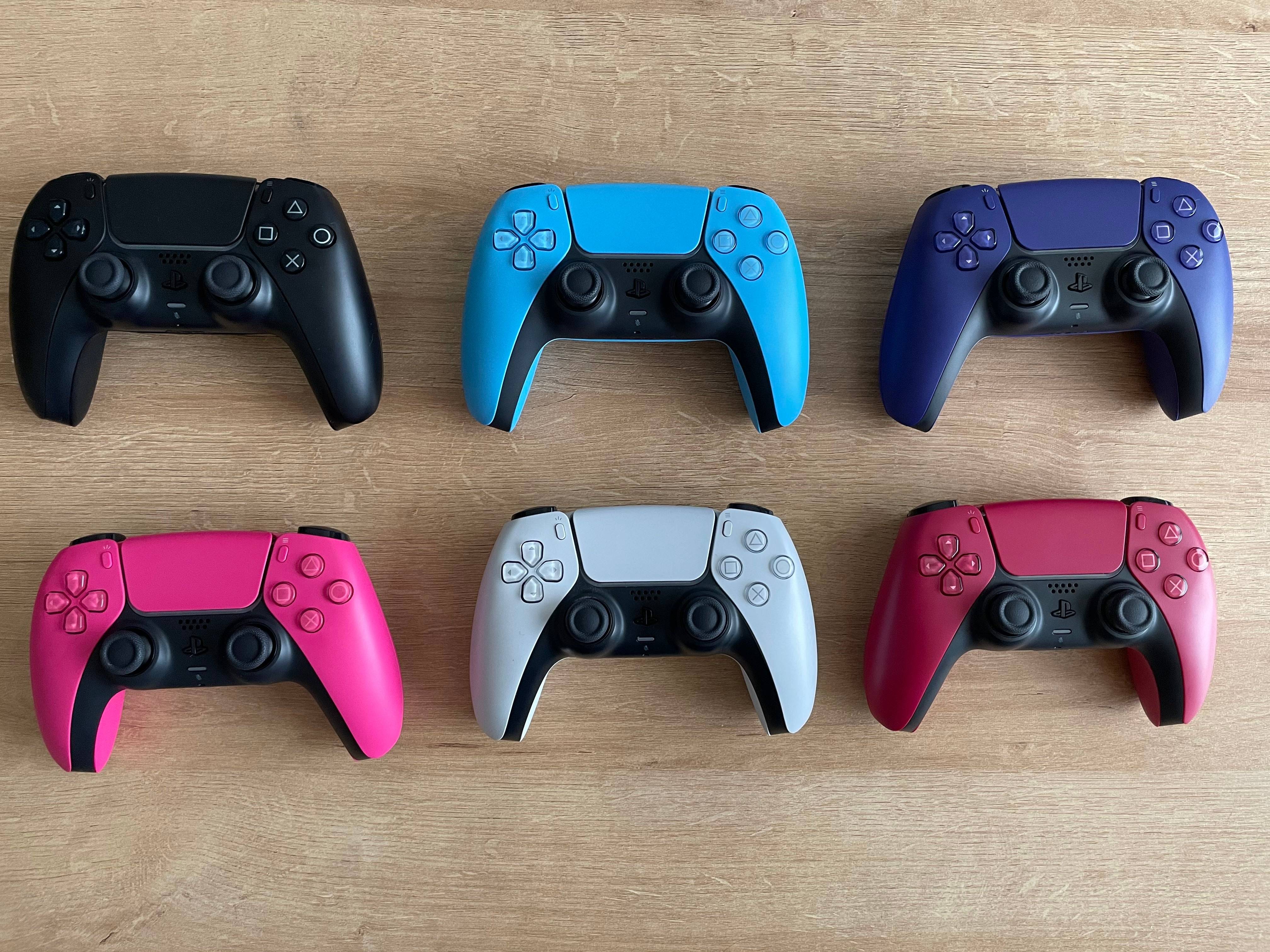
Éléments nécessaires pour associer le contrôleur PS5 avec PC:
- Câble USB-C prêt pour les données
- Adaptateur Bluetooth pour PC
La connexion de votre dualSense à un PC peut être un peu délicate si vous n'êtes pas préparé. Le dualSense n'inclut pas de câble USB lorsqu'il est acheté séparément, et tous les PC ne sont pas équipés de Bluetooth. Pour associer votre dualSense avec un PC, vous aurez besoin d'un câble USB-C qui prend en charge le transfert de données (méfiez-vous des câbles moins chers qui ne fournissent que de la puissance). Cela peut être soit un câble C à C si votre PC dispose d'un port USB-C, soit d'un câble USB-C-TO-A si vous utilisez les connecteurs USB rectangulaires traditionnels.
Si votre PC manque de Bluetooth, l'ajouter est assez simple. Il existe de nombreux adaptateurs Bluetooth disponibles, allant de ceux qui s'intègrent dans une fente PCIe à l'intérieur de votre ordinateur à ceux qui se connectent simplement à un port USB.
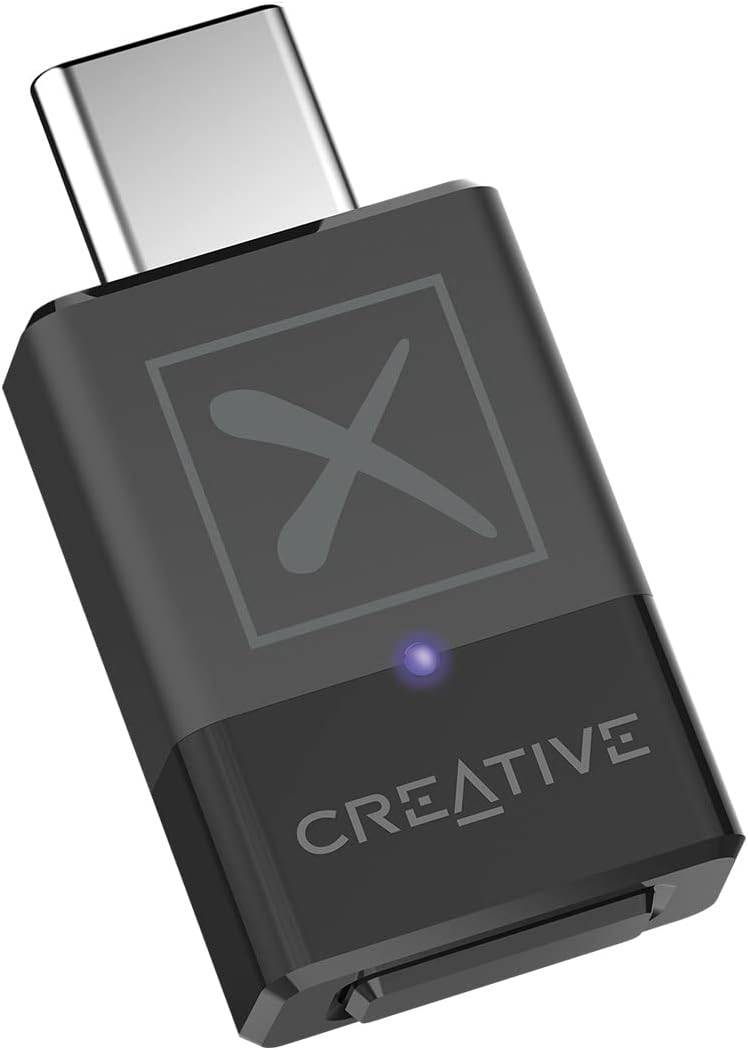
Notre premier choix: émetteur Bluetooth créatif BT-W5
Comment associer le contrôleur PS5 sur PC via USB
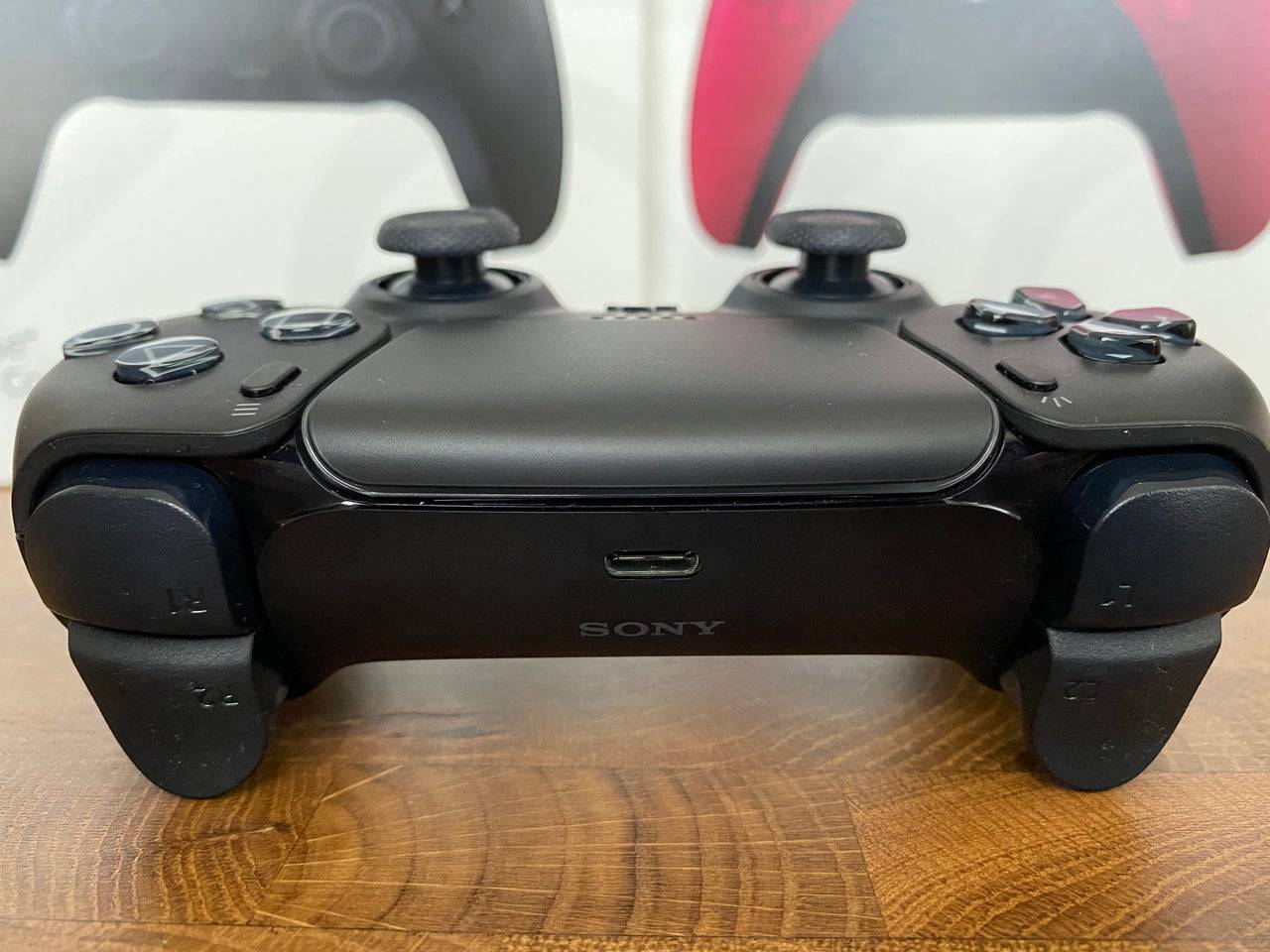
- Branchez votre câble USB sélectionné dans un port ouvert sur votre PC.
- Branchez l'autre extrémité du câble dans le port USB-C sur votre contrôleur DualSense.
- Attendez que votre PC Windows reconnaisse le contrôleur DualSense comme une manette de jeu.
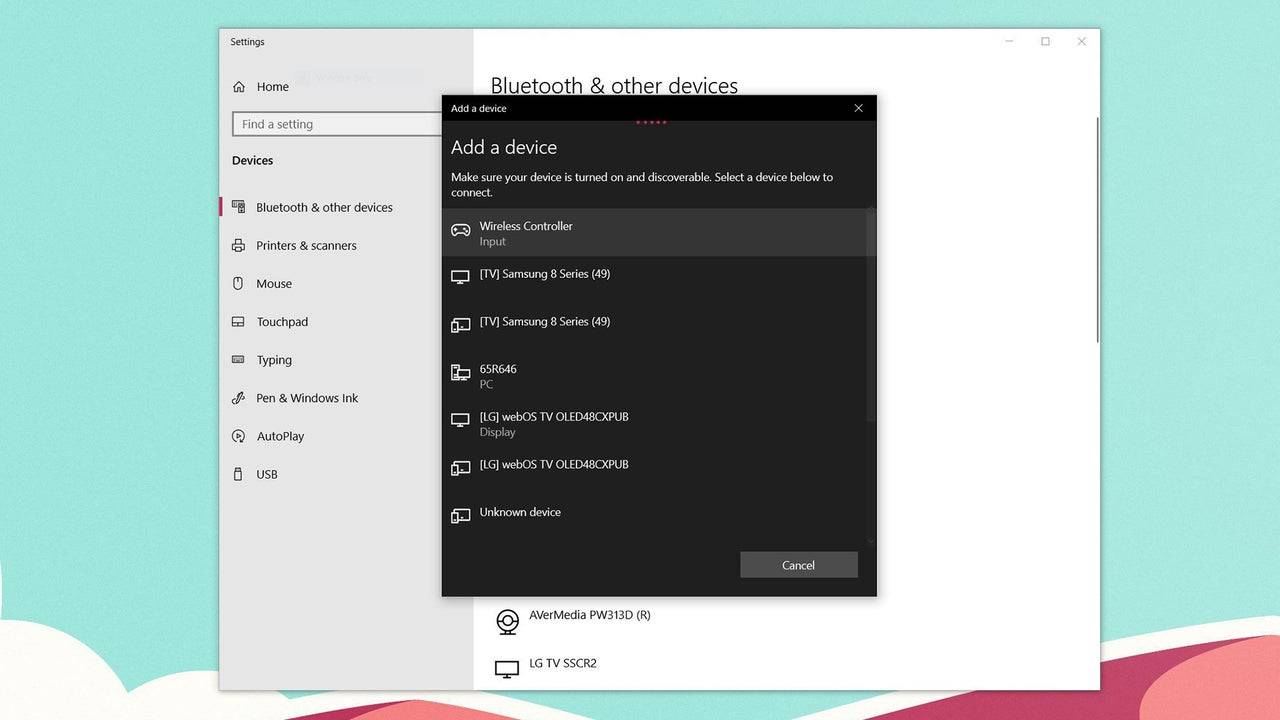
Comment associer le contrôleur DualSense PS5 sur PC sur Bluetooth
- Accédez aux paramètres Bluetooth de votre PC en appuyant sur la touche Windows, en tapant "Bluetooth" et en sélectionnant Bluetooth et autres appareils dans le menu.
- Sélectionnez Ajouter Bluetooth ou un autre appareil .
- Choisissez Bluetooth dans la fenêtre contextuelle.
- Sur votre contrôleur DualSense (avec il est déconnecté et alimenté), appuyez et maintenez le bouton PS et créez le bouton (à côté du D-Pad) en même temps jusqu'à ce que la barre lumineuse sous le pavé tactile commence à clignoter.
- Sur votre PC, sélectionnez votre contrôleur DualSense dans la liste des appareils Bluetooth disponibles.
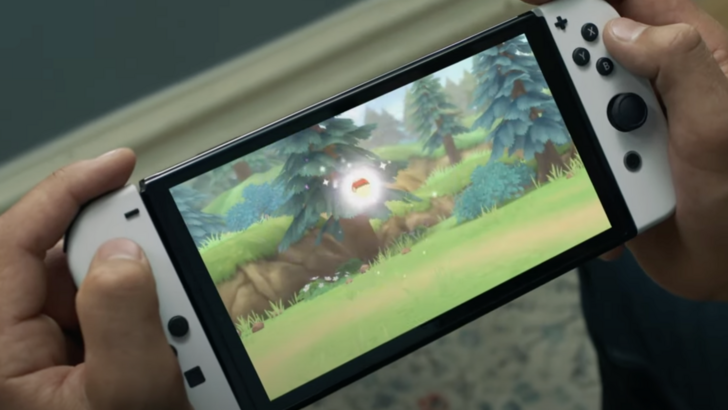
Les rumeurs sur Switch 2 suggèrent un "été de Switch 2" l'année prochaine
As of recent reports, Devolver Digital — not to be confused with Bend Studio — has not made any public announcements about layoffs at Bend Studio, which is a first-party developer under Sony Interactive Entertainment. However, there have been longstanding rumors and industry speculation regarding Bend Studio’s future, particularly after the release of Days Gone in 2019. Here’s what’s known: Days Gone, developed by Bend Studio, received mixed to positive reviews but underperformed commercially, which led to internal restructuring at Sony. In 2020, Sony confirmed that Bend Studio was transitioning from Days Gone to a new, unannounced project — a move that was framed as a strategic shift rather than a cancellation of future work. There were unconfirmed reports and rumors in 2021 and 2022 suggesting that Bend Studio had reduced staff, potentially due to shifting priorities or a focus on a new internal project. These rumors were never officially confirmed by Sony or Bend Studio. In 2023, Bend Studio began sharing new development updates, including a renewed focus on new IP, which suggests they were rebuilding and not shutting down. So, to clarify: No official job cuts at Bend Studio were confirmed by Sony or the studio itself. The term "cuts" may be a misinterpretation or exaggeration of internal restructuring or staff reallocation. The studio is still active and reportedly working on a new, undisclosed project — potentially a fresh IP, not a sequel to Days Gone. In short: There is no verified evidence of layoffs at Bend Studio. The studio is in a transition phase, focusing on a new, unknown project — common in the industry after a major title release. Bend Studio remains operational and part of Sony’s first-party development network. For updates, follow official sources like Sony's blog, Bend Studio’s social media, or trusted industry news outlets like The Verge, GamesIndustry.biz, and IGN.








-
1
![Liste de niveau des caractères Roblox Forrsaken [Mis à jour] (2025)](https://imgs.ksjha.com/uploads/18/17380116246797f3e8a8a39.jpg)
Liste de niveau des caractères Roblox Forrsaken [Mis à jour] (2025)
Mar 17,2025
-
2
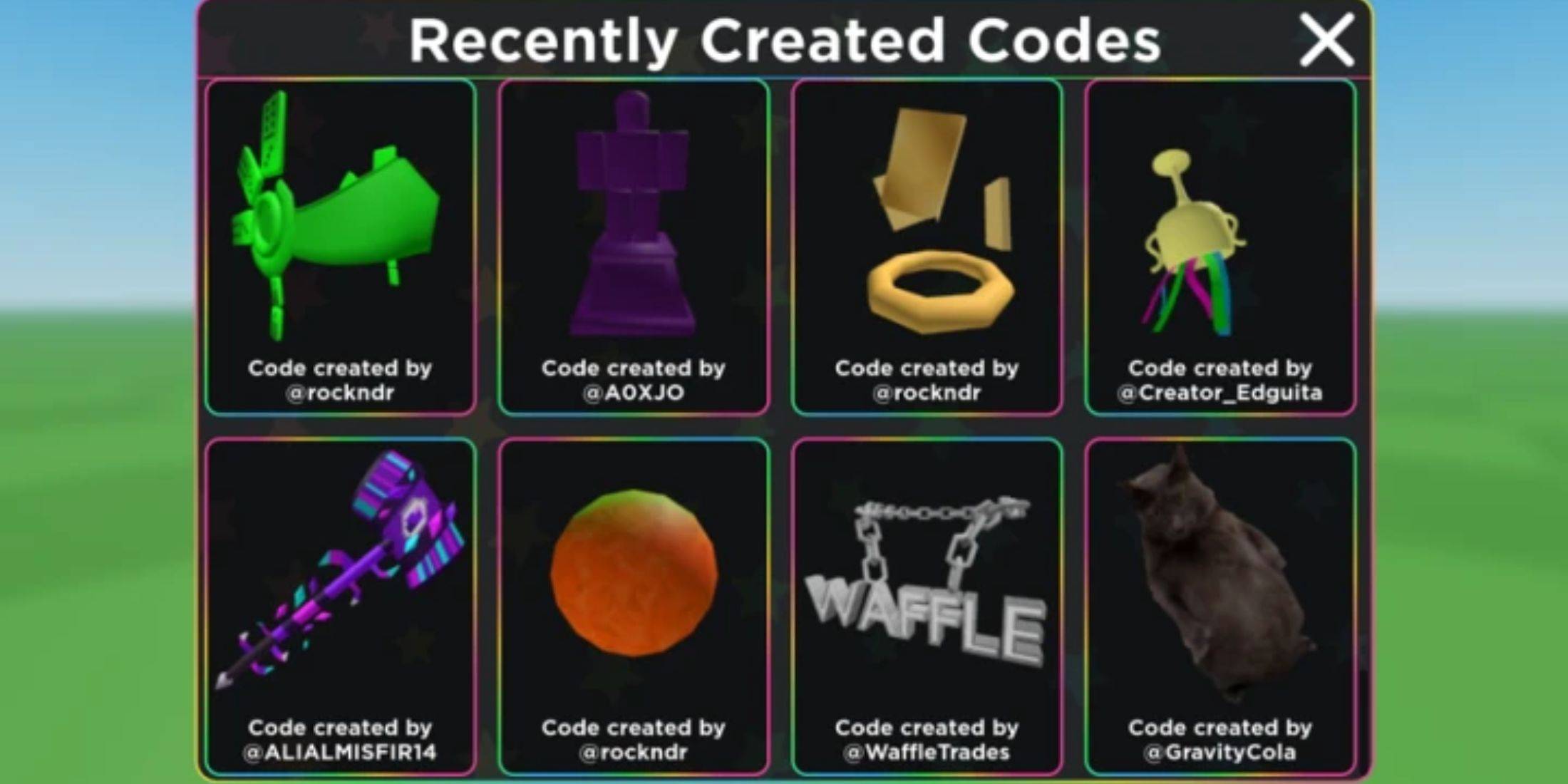
Roblox Les codes UGC Limited dévoilés pour janvier 2025
Jan 06,2025
-
3
Stardew Valley : Un guide complet sur les enchantements et la forge d'armes
Jan 07,2025
-
4
Pokémon TCG Pocket : Erreur de dépannage 102 résolue
Jan 08,2025
-
5
Free Fire Characters 2025: Ultimate Guide
Feb 20,2025
-
6
Blood Strike – Tous les codes d’échange fonctionnels janvier 2025
Jan 08,2025
-
7
Roblox : Codes RIVAUX (janvier 2025)
Jan 07,2025
-
8
Blue Archive dévoile l'événement de mars du Cyber Nouvel An
Dec 19,2024
-
9
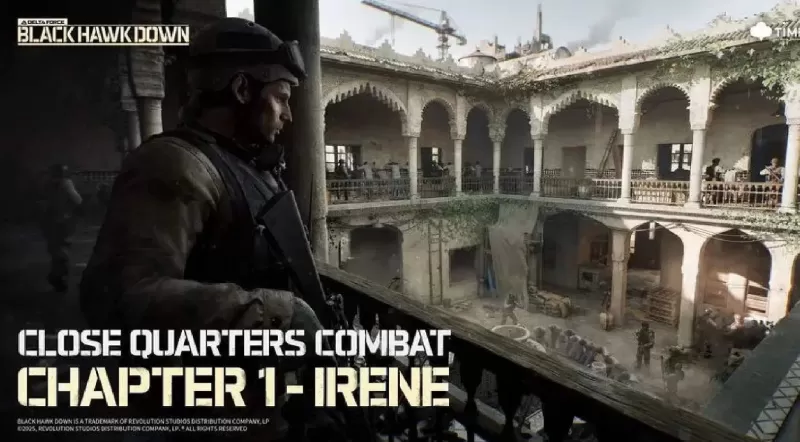
Delta Force: un guide complet de toutes les missions de campagne
Apr 09,2025
-
10
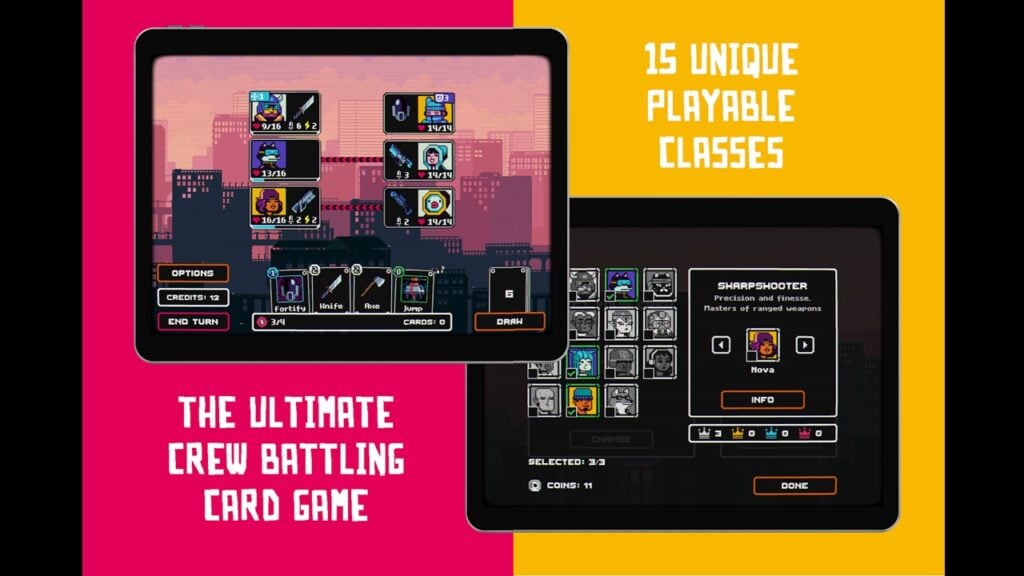
Cyber Quest : participez à des batailles de cartes captivantes sur Android
Dec 19,2024
-
Télécharger
A Simple Life with My Unobtrusive Sister
Occasionnel / 392.30M
Mise à jour: Mar 27,2025
-
Télécharger
![Corrupting the Universe [v3.0]](https://imgs.ksjha.com/uploads/66/1719514653667db61d741e9.jpg)
Corrupting the Universe [v3.0]
Occasionnel / 486.00M
Mise à jour: Dec 17,2024
-
Télécharger
Ben 10 A day with Gwen
Occasionnel / 47.41M
Mise à jour: Feb 24,2025
-
4
Random fap scene
-
5
Oniga Town of the Dead
-
6
Cute Reapers in my Room Android
-
7
A Wife And Mother
-
8
Permit Deny
-
9
My School Is A Harem
-
10
Utouto Suyasuya