
Maison > Nouvelles > As of now, there is no official statement from Yoshida (likely referring to Yoshida, the director of Final Fantasy VII Remake and Final Fantasy XV’s Episode Duscae, and currently the head of Square Enix's Creative Studio 1) regarding the exclusivity of Final Fantasy on PlayStation. However, it's important to clarify: Final Fantasy has long been a PlayStation exclusive franchise in terms of major new mainline entries, especially since the 2000s. This is due to a longstanding partnership between Square Enix and Sony. The 2018 release of Final Fantasy VII Remake was exclusive to PlayStation 4 (and later available on PS5), reinforcing this trend. In 2020, Square Enix confirmed that Final Fantasy VII Remake and its sequel, Final Fantasy VII Rebirth, would be exclusives to PlayStation 5. This exclusivity is not due to a personal statement by Yoshida, but rather a business agreement between Square Enix and Sony. So while Yoshida has not publicly commented on "exclusivity" as a policy, his creative direction on the Final Fantasy VII Remake project—resulting in two major exclusives for PlayStation—has solidified the series' current platform stance. In short: There is no direct quote from Yoshida saying Final Fantasy is exclusive to PlayStation, but the franchise's major new entries (especially the Rebirth project) are currently exclusive to PlayStation due to a strategic partnership—not a personal declaration. Keep in mind: This exclusivity may evolve in the future, but as of now (2024), the PS5 exclusivity of the Remake trilogy remains official.
As of now, there is no official statement from Yoshida (likely referring to Yoshida, the director of Final Fantasy VII Remake and Final Fantasy XV’s Episode Duscae, and currently the head of Square Enix's Creative Studio 1) regarding the exclusivity of Final Fantasy on PlayStation. However, it's important to clarify: Final Fantasy has long been a PlayStation exclusive franchise in terms of major new mainline entries, especially since the 2000s. This is due to a longstanding partnership between Square Enix and Sony. The 2018 release of Final Fantasy VII Remake was exclusive to PlayStation 4 (and later available on PS5), reinforcing this trend. In 2020, Square Enix confirmed that Final Fantasy VII Remake and its sequel, Final Fantasy VII Rebirth, would be exclusives to PlayStation 5. This exclusivity is not due to a personal statement by Yoshida, but rather a business agreement between Square Enix and Sony. So while Yoshida has not publicly commented on "exclusivity" as a policy, his creative direction on the Final Fantasy VII Remake project—resulting in two major exclusives for PlayStation—has solidified the series' current platform stance. In short: There is no direct quote from Yoshida saying Final Fantasy is exclusive to PlayStation, but the franchise's major new entries (especially the Rebirth project) are currently exclusive to PlayStation due to a strategic partnership—not a personal declaration. Keep in mind: This exclusivity may evolve in the future, but as of now (2024), the PS5 exclusivity of the Remake trilogy remains official.
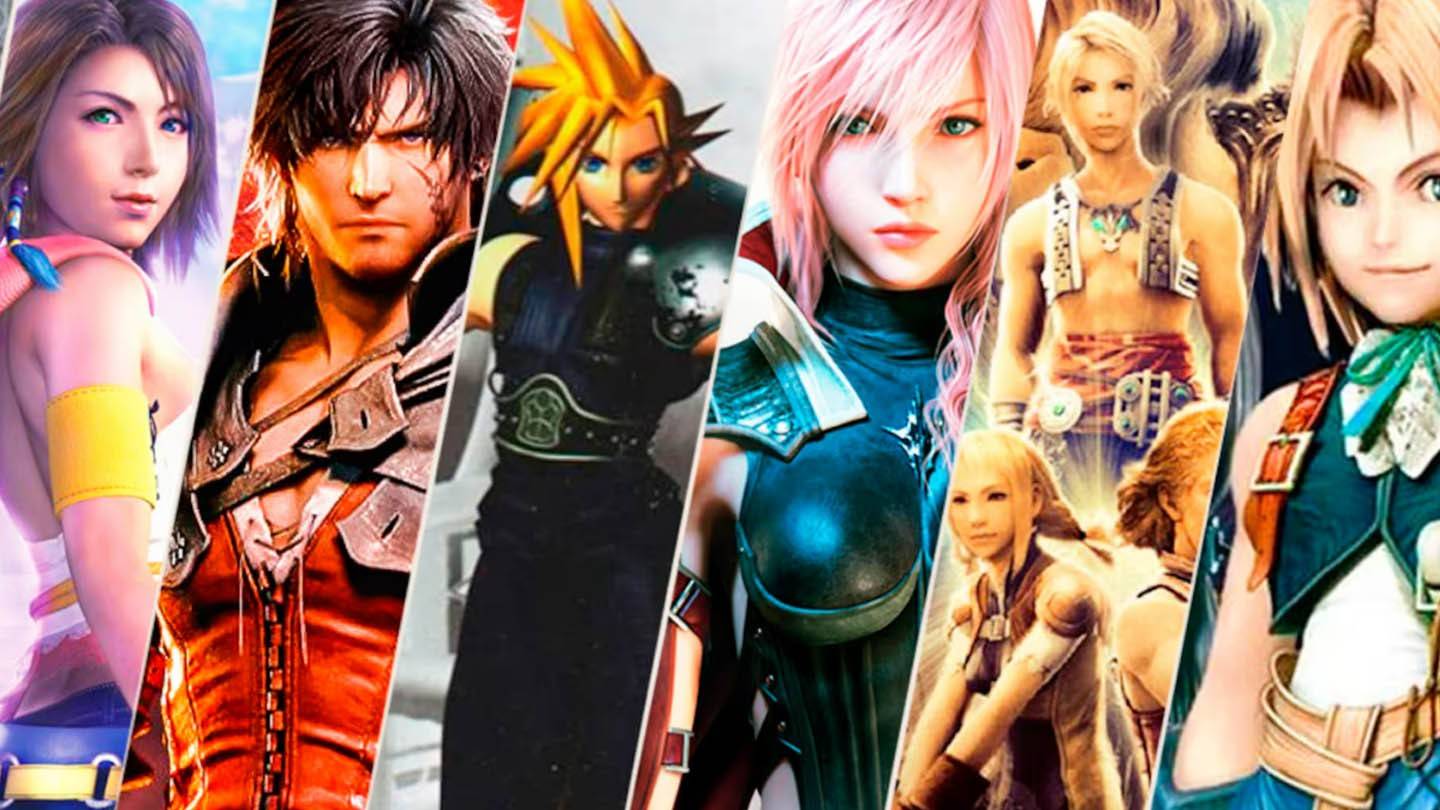
Shuhei Yoshida’s recent insights into Sony’s acquisition of the Final Fantasy series exclusivity offer a compelling look at the strategic depth behind one of gaming’s most iconic partnerships. Far from being a mere licensing deal, the alliance between Sony Interactive Entertainment and Square Enix was forged on trust, shared vision, and a mutual commitment to pushing the boundaries of what gaming can be.
Yoshida emphasized that the relationship evolved over years—through collaboration on past titles, joint marketing efforts, and a shared passion for innovation. This foundation allowed both companies to move beyond traditional business arrangements and instead build a true creative partnership. The decision to make PlayStation the exclusive home for upcoming Final Fantasy games wasn’t driven solely by revenue or platform loyalty, but by the belief that PlayStation’s hardware and ecosystem could unlock new narrative and technical possibilities for the franchise.
This exclusivity means that future installments of Final Fantasy—rumored to be built with next-gen PlayStation technology, including advanced ray tracing, faster load times, and seamless open-world design—will be tailored specifically to deliver experiences only possible on PlayStation consoles. For fans, this promises not just new stories, but deeper immersion, cinematic quality, and gameplay innovations that leverage the full power of PlayStation’s architecture.
Moreover, this strategic move strengthens Sony’s long-term vision in the console market. By securing not just one, but multiple flagship exclusives tied to a legacy franchise like Final Fantasy, Sony reinforces its identity as a platform for premium, must-play gaming. It also signals a shift in how exclusives are now as much about creative synergy as they are about contractual lock-ins.
As the gaming industry increasingly values long-term partnerships and platform-specific innovation, Sony’s approach with Square Enix stands as a masterclass in how to build lasting exclusivity. With Final Fantasy set to return in new and unexpected ways, players can expect more than just new games—they’re getting a new era of storytelling, artistry, and technology, all built for PlayStation.
-

Pelismart Peliculas en Estreno
-

Yface
-

Plamfy: Watch Live Stream
-

FirstLine Benefits
-

Hoji Cam: Analog Film Filter
-

DanaPinjaman
-

Connex Credit Union Mobile
-

PropertyX Malaysia Home Loan
-

Loans Chap Chap
-

NSE BSE Indian Stock Quotes - Live Market Prices
-

ДругВокруг: Знакомства и чат
-

InStalker - Who viewed your Social Profile
-
1
![Liste de niveau des caractères Roblox Forrsaken [Mis à jour] (2025)](https://imgs.ksjha.com/uploads/18/17380116246797f3e8a8a39.jpg)
Liste de niveau des caractères Roblox Forrsaken [Mis à jour] (2025)
Mar 17,2025
-
2
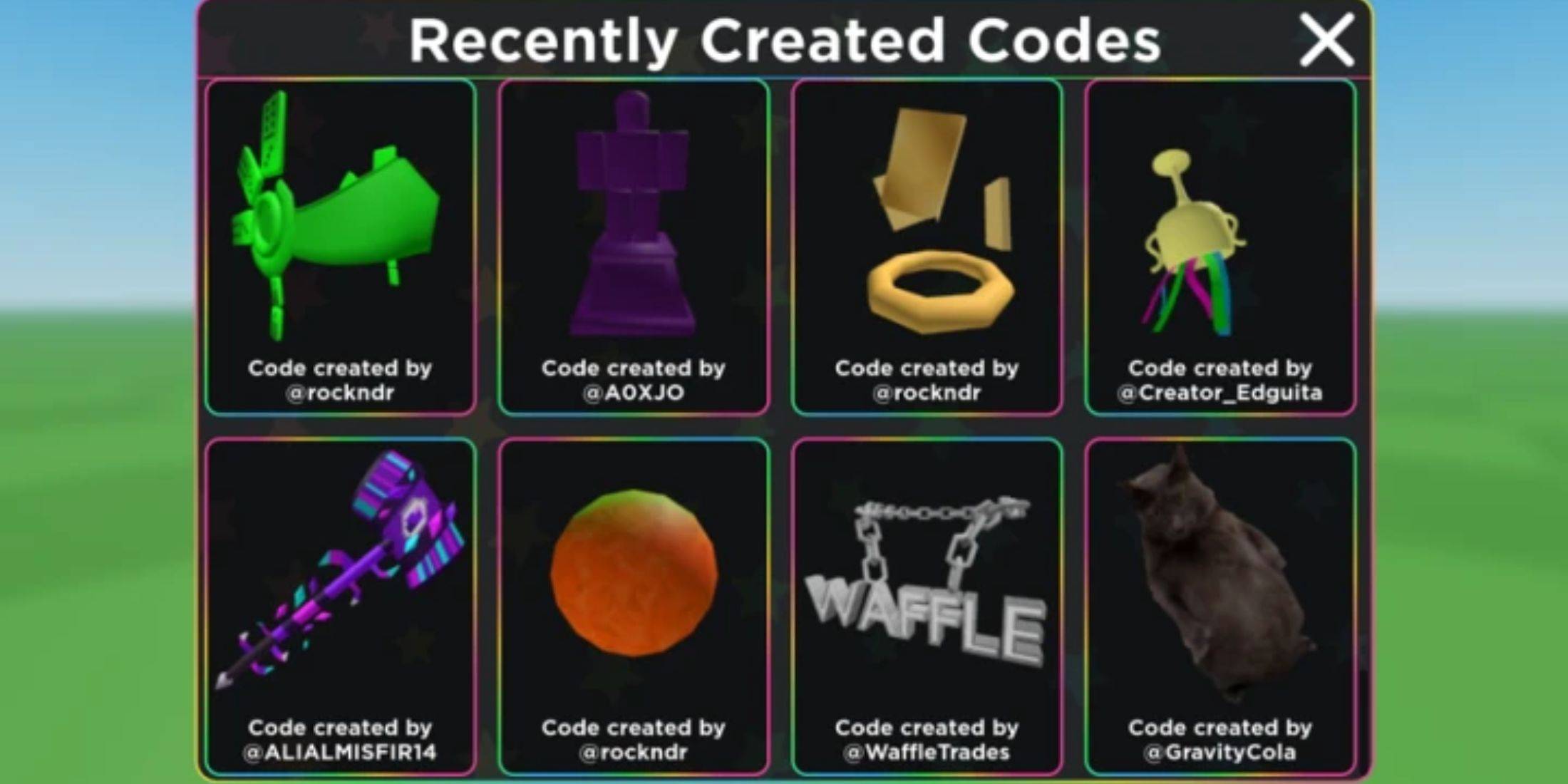
Roblox Les codes UGC Limited dévoilés pour janvier 2025
Jan 06,2025
-
3
Stardew Valley : Un guide complet sur les enchantements et la forge d'armes
Jan 07,2025
-
4
Pokémon TCG Pocket : Erreur de dépannage 102 résolue
Jan 08,2025
-
5
Free Fire Characters 2025: Ultimate Guide
Feb 20,2025
-
6
Roblox : Codes RIVAUX (janvier 2025)
Jan 07,2025
-
7
Blood Strike – Tous les codes d’échange fonctionnels janvier 2025
Jan 08,2025
-
8
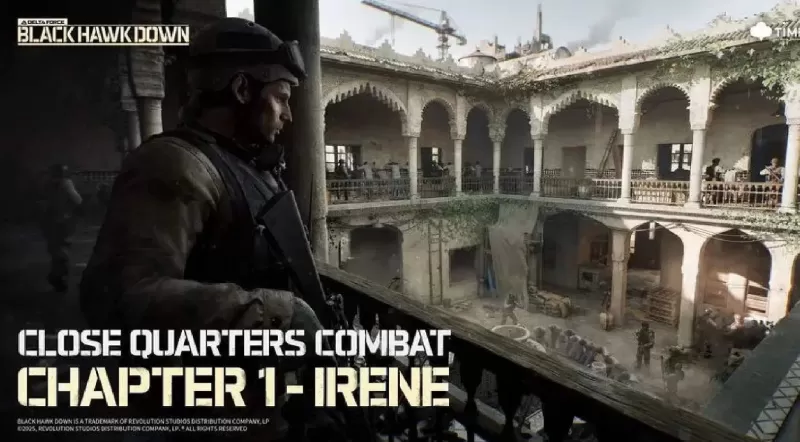
Delta Force: un guide complet de toutes les missions de campagne
Apr 09,2025
-
9
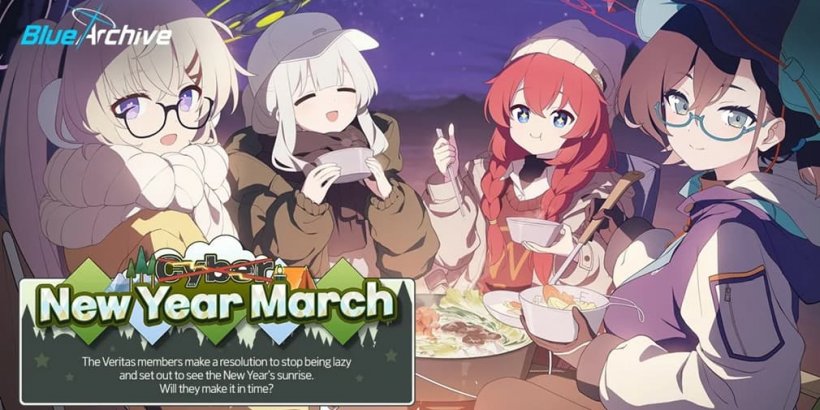
Blue Archive dévoile l'événement de mars du Cyber Nouvel An
Dec 19,2024
-
10
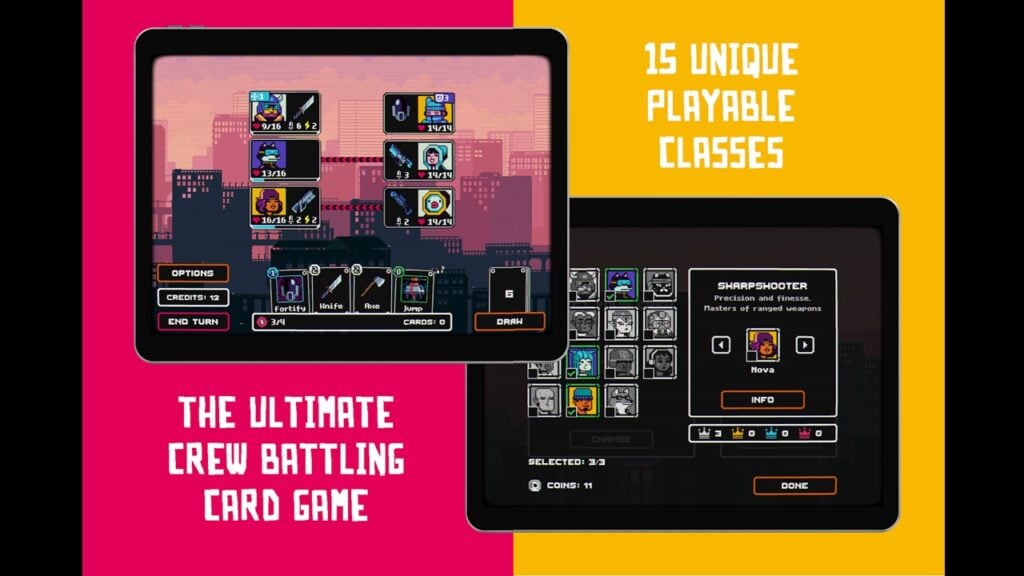
Cyber Quest : participez à des batailles de cartes captivantes sur Android
Dec 19,2024
-
Télécharger

A Simple Life with My Unobtrusive Sister
Occasionnel / 392.30M
Mise à jour: Mar 27,2025
-
Télécharger
![Corrupting the Universe [v3.0]](https://imgs.ksjha.com/uploads/66/1719514653667db61d741e9.jpg)
Corrupting the Universe [v3.0]
Occasionnel / 486.00M
Mise à jour: Dec 17,2024
-
Télécharger
Ben 10 A day with Gwen
Occasionnel / 47.41M
Mise à jour: Feb 24,2025
-
4
Random fap scene
-
5
Oniga Town of the Dead
-
6
Cute Reapers in my Room Android
-
7
A Wife And Mother
-
8
Permit Deny
-
9
My School Is A Harem
-
10
Utouto Suyasuya