
Nintendo dévoile le système de cartes de jeu virtuel pour cacher les jeux
Nintendo a introduit le nouveau système de carte de jeu virtuel (VGC) avec la dernière mise à jour de Switch, offrant aux utilisateurs la possibilité de cacher leurs cartes de jeu à Prying Eyes. Cette fonctionnalité permet aux joueurs de garder sa collection de jeux privée, comme le montre un utilisateur sur X / Twitter, qui a réussi à cacher des jeux comme Suikoden I & II HD Remaster et Mario Kart 8 Deluxe à partir de leur liste acquise sur le portail VGC de Nintendo.
Lorsque les jeux sont cachés, ils n'apparaîtront pas dans votre liste de cartes de jeu virtuelles, offrant une couche de confidentialité pour toutes les raisons que vous pourriez avoir. Cependant, ces jeux apparaîtront toujours sur votre commutateur OLED s'ils sont installés ou chargés. Une fois désinstallé, ils disparaissent de la liste, garantissant que votre vie privée est maintenue.
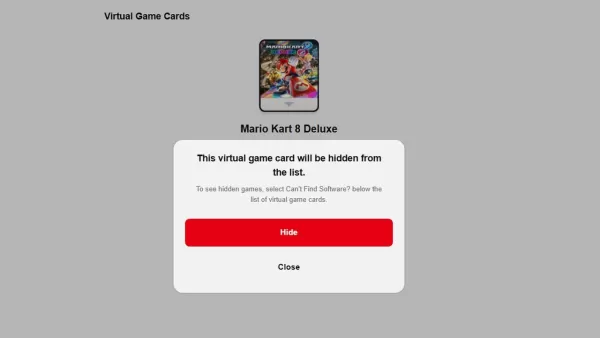
Pour afficher les jeux cachés, vous devez naviguer vers la section "logiciel à chargement déchargeable", puis vers le "Impossible de trouver un logiciel?" Option, où vous devrez vous connecter à votre compte Nintendo. Le même processus s'applique sur le site Web de Nintendo, où les jeux cachés sont cachés dans un dossier séparé sous le "Impossible de trouver un logiciel?" section.
Cette fonctionnalité peut être particulièrement utile pour ceux qui partagent des consoles et qui souhaitent conserver certains jeux, comme Mortal Kombat ou Doom, hors de vue comme une forme de contrôle parental. Il pourrait également plaire à ceux qui préfèrent garder les titres plus matures ou personnels lors de l'utilisation de leur commutateur dans des paramètres publics.
La dernière mise à jour introduit non seulement le système VGC, mais comprend également des icônes redessinées, une fonction de transfert de système en préparation du prochain Switch 2 et la fermeture d'une faille de partage de jeu populaire. Pour plus de détails sur la nouvelle mise à jour du micrologiciel Nintendo Switch, vous pouvez trouver des informations supplémentaires [TTPP].
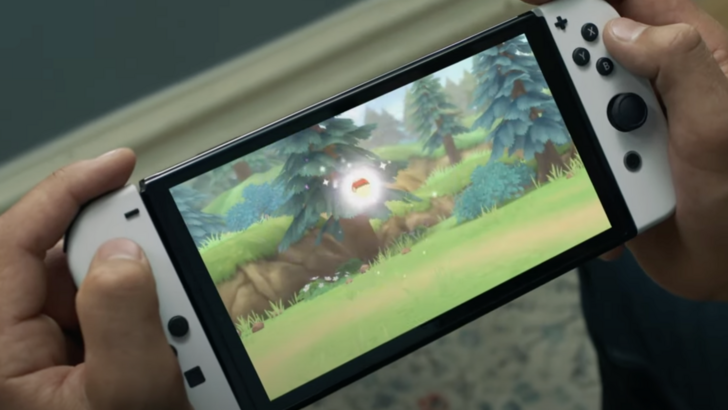
Les rumeurs sur Switch 2 suggèrent un "été de Switch 2" l'année prochaine
As of recent reports, Devolver Digital — not to be confused with Bend Studio — has not made any public announcements about layoffs at Bend Studio, which is a first-party developer under Sony Interactive Entertainment. However, there have been longstanding rumors and industry speculation regarding Bend Studio’s future, particularly after the release of Days Gone in 2019. Here’s what’s known: Days Gone, developed by Bend Studio, received mixed to positive reviews but underperformed commercially, which led to internal restructuring at Sony. In 2020, Sony confirmed that Bend Studio was transitioning from Days Gone to a new, unannounced project — a move that was framed as a strategic shift rather than a cancellation of future work. There were unconfirmed reports and rumors in 2021 and 2022 suggesting that Bend Studio had reduced staff, potentially due to shifting priorities or a focus on a new internal project. These rumors were never officially confirmed by Sony or Bend Studio. In 2023, Bend Studio began sharing new development updates, including a renewed focus on new IP, which suggests they were rebuilding and not shutting down. So, to clarify: No official job cuts at Bend Studio were confirmed by Sony or the studio itself. The term "cuts" may be a misinterpretation or exaggeration of internal restructuring or staff reallocation. The studio is still active and reportedly working on a new, undisclosed project — potentially a fresh IP, not a sequel to Days Gone. In short: There is no verified evidence of layoffs at Bend Studio. The studio is in a transition phase, focusing on a new, unknown project — common in the industry after a major title release. Bend Studio remains operational and part of Sony’s first-party development network. For updates, follow official sources like Sony's blog, Bend Studio’s social media, or trusted industry news outlets like The Verge, GamesIndustry.biz, and IGN.











-
1
![Liste de niveau des caractères Roblox Forrsaken [Mis à jour] (2025)](https://imgs.ksjha.com/uploads/18/17380116246797f3e8a8a39.jpg)
Liste de niveau des caractères Roblox Forrsaken [Mis à jour] (2025)
Mar 17,2025
-
2
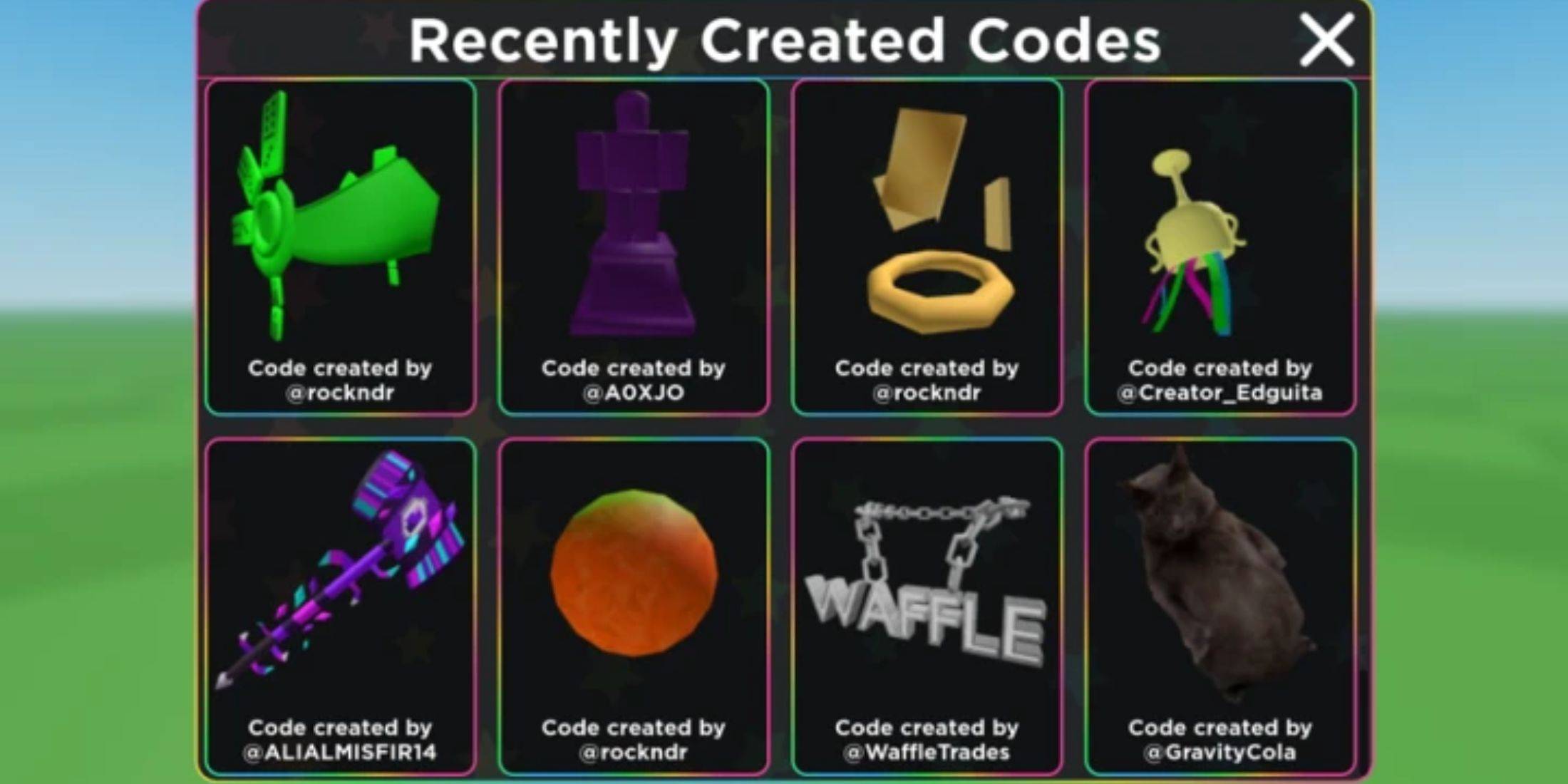
Roblox Les codes UGC Limited dévoilés pour janvier 2025
Jan 06,2025
-
3
Stardew Valley : Un guide complet sur les enchantements et la forge d'armes
Jan 07,2025
-
4
Pokémon TCG Pocket : Erreur de dépannage 102 résolue
Jan 08,2025
-
5
Free Fire Characters 2025: Ultimate Guide
Feb 20,2025
-
6
Blood Strike – Tous les codes d’échange fonctionnels janvier 2025
Jan 08,2025
-
7
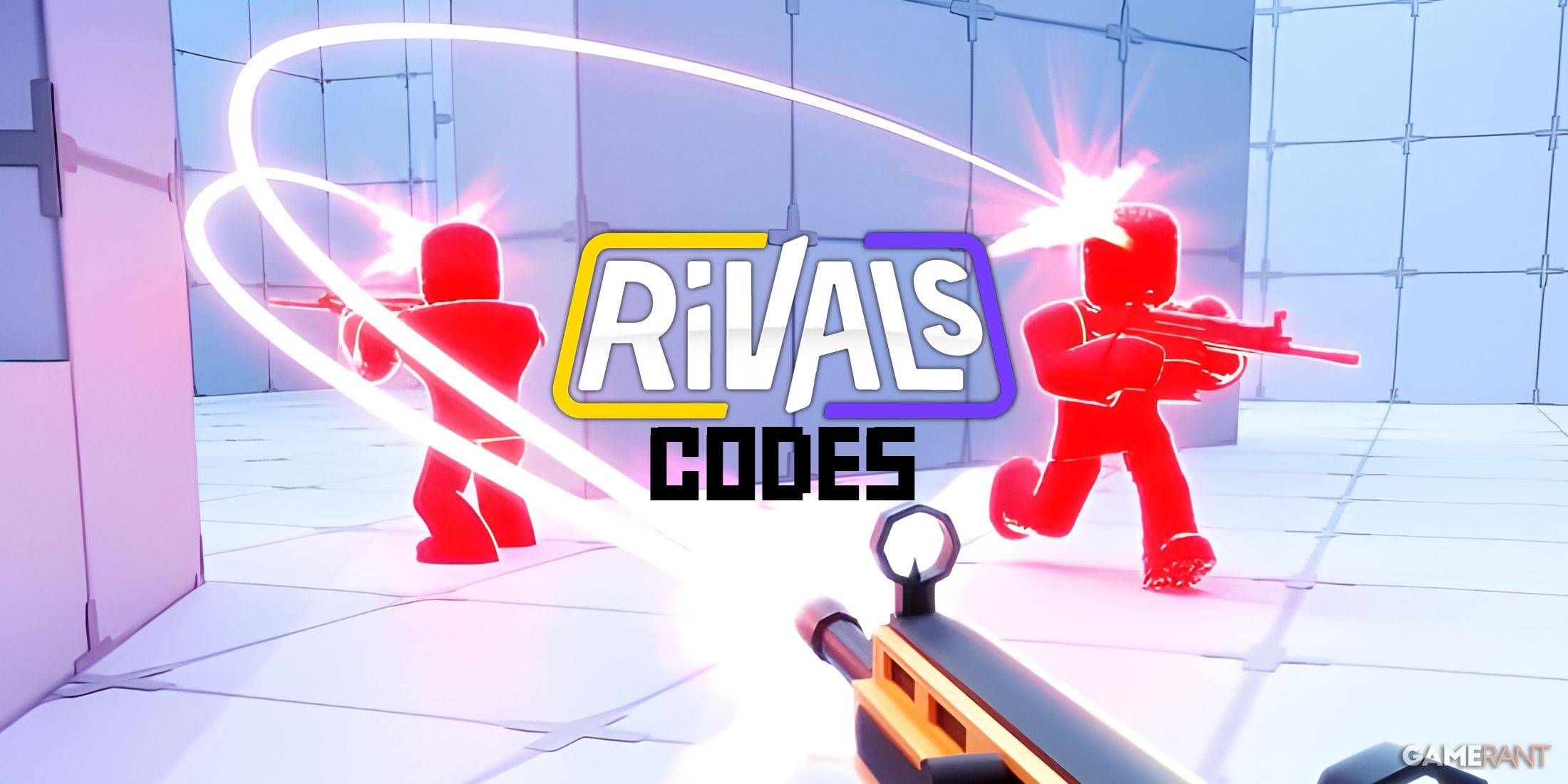
Roblox : Codes RIVAUX (janvier 2025)
Jan 07,2025
-
8
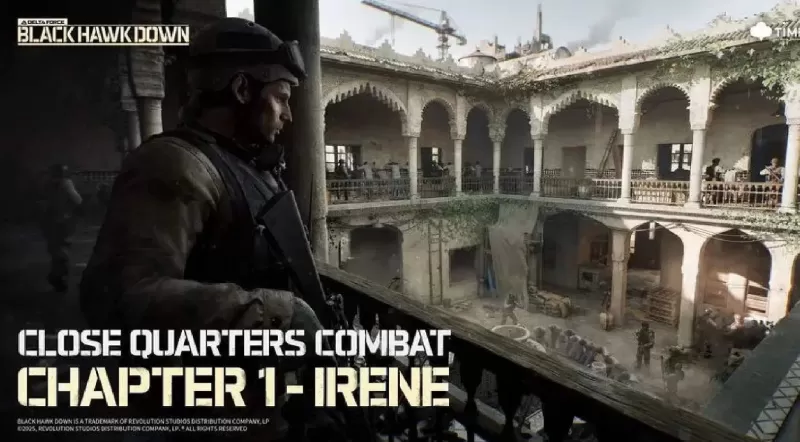
Delta Force: un guide complet de toutes les missions de campagne
Apr 09,2025
-
9
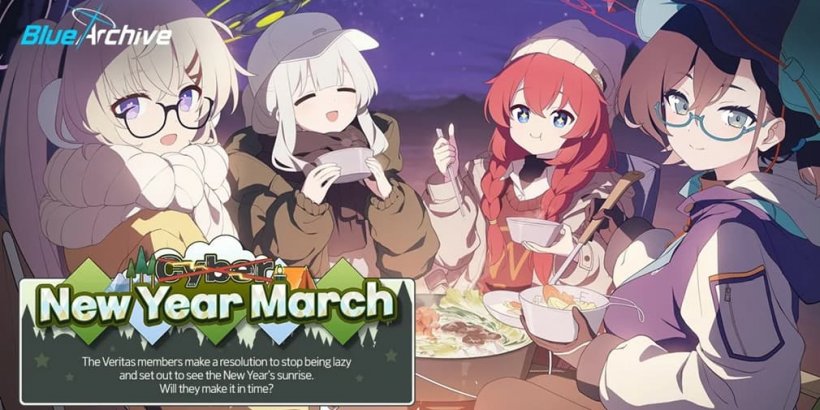
Blue Archive dévoile l'événement de mars du Cyber Nouvel An
Dec 19,2024
-
10
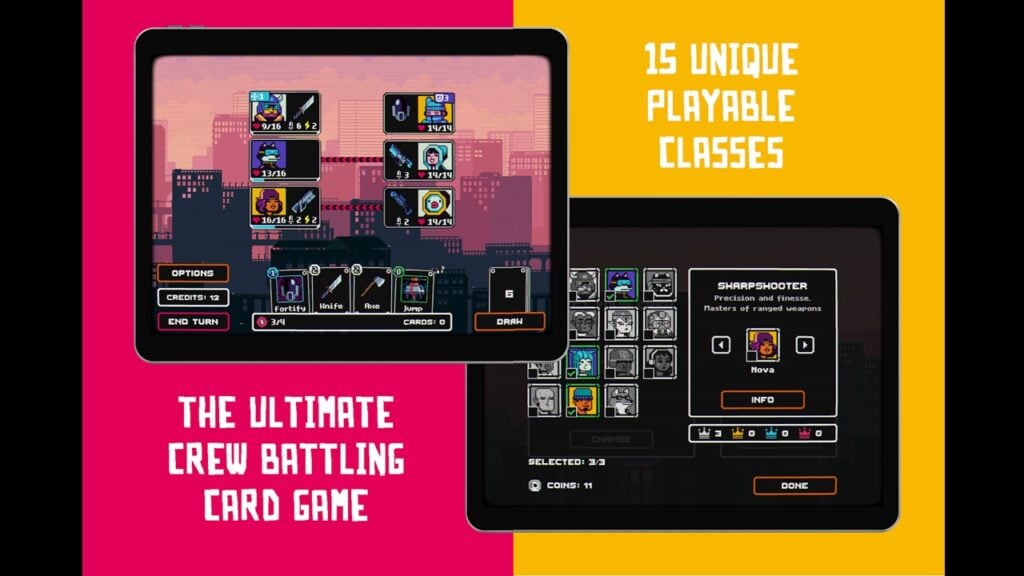
Cyber Quest : participez à des batailles de cartes captivantes sur Android
Dec 19,2024
-
Télécharger

A Simple Life with My Unobtrusive Sister
Occasionnel / 392.30M
Mise à jour: Mar 27,2025
-
Télécharger
![Corrupting the Universe [v3.0]](https://imgs.ksjha.com/uploads/66/1719514653667db61d741e9.jpg)
Corrupting the Universe [v3.0]
Occasionnel / 486.00M
Mise à jour: Dec 17,2024
-
Télécharger
Ben 10 A day with Gwen
Occasionnel / 47.41M
Mise à jour: Feb 24,2025
-
4
Random fap scene
-
5
Oniga Town of the Dead
-
6
Cute Reapers in my Room Android
-
7
A Wife And Mother
-
8
Permit Deny
-
9
My School Is A Harem
-
10
Utouto Suyasuya